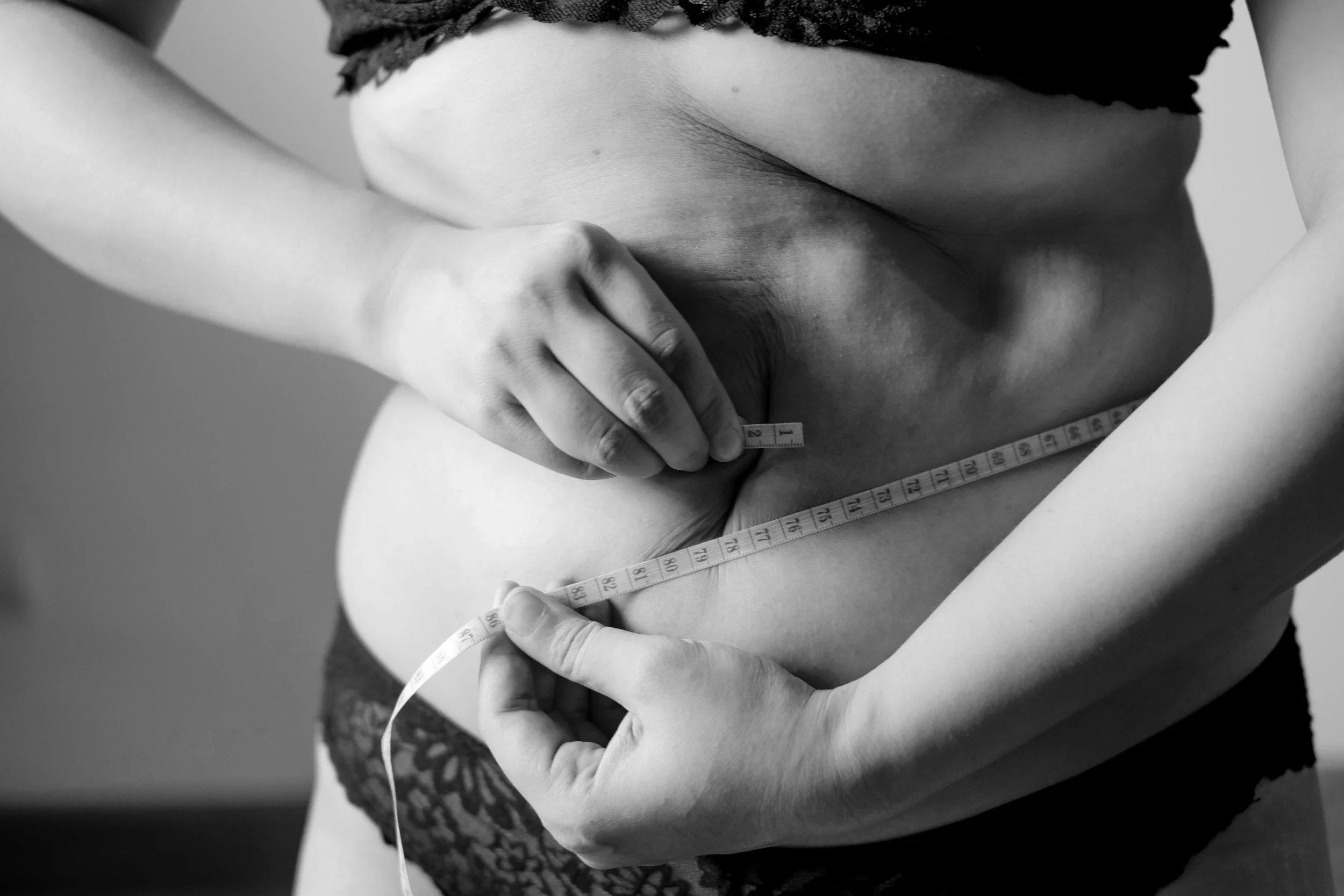
Losing weight is a major accomplishment — but maintaining weight loss long-term is often the part patients worry about most.
At MedArts Weight Loss & Aesthetics, many patients ask:
“What happens after I reach my goal weight?”
The truth is that long-term success is not about perfection or extreme restriction.
Sustainable weight maintenance usually comes from building realistic habits, maintaining consistency, and continuing supportive wellness routines over time.
Why Weight Regain Happens
Weight regain is extremely common after traditional dieting.
Many people lose weight through:
severe calorie restriction
unsustainable exercise routines
fad diets
temporary motivation
“quick fixes”
Once these routines become difficult to maintain, old habits often return.
This is one reason many patients experience cycles of:
losing weight
regaining weight
restarting repeatedly
The goal of medical weight loss is to help patients create healthier long-term strategies instead of short-term extremes.
The Body Naturally Adapts to Weight Loss
After losing weight, the body may:
burn fewer calories
increase hunger hormones
slow metabolism
become more sensitive to overeating
This is a normal biological response — not a personal failure.
Patients often feel frustrated because maintaining weight loss may require ongoing attention and support even after reaching a goal.
Why Lifestyle Habits Matter
Long-term results are usually built through habits patients can realistically maintain.
Healthy routines may include:
consistent protein intake
hydration
movement
sleep
stress management
regular follow-up care
balanced nutrition
Extreme perfection is rarely sustainable long-term.
Consistency matters more.
What Happens After GLP-1 Weight Loss?
Patients taking semaglutide or tirzepatide often worry about what happens after treatment.
While GLP-1 medications can significantly reduce appetite and improve weight loss results, long-term success still involves:
healthy habits
nutritional awareness
muscle preservation
lifestyle consistency
Some patients remain on maintenance programs, while others transition into long-term wellness support plans based on individualized goals.
Why Muscle Preservation Matters
Maintaining muscle mass during weight loss helps support:
metabolism
strength
energy
body composition
long-term maintenance
Patients who lose excessive muscle during rapid weight loss may find maintenance more difficult later.
This is why protein intake and resistance training are strongly encouraged throughout treatment.
Healthy Strategies for Long-Term Success
1. Stop Thinking Short-Term
Temporary diets often create temporary results.
The goal should be building habits that feel realistic for everyday life.
2. Continue Prioritizing Protein
Protein supports fullness, metabolism, recovery, and muscle retention.
Patients who maintain adequate protein intake often feel more stable and satisfied long-term.
3. Stay Active Consistently
Exercise does not need to be extreme.
Walking, strength training, mobility work, and regular movement all support long-term wellness.
4. Manage Stress & Sleep
Stress and poor sleep may contribute to:
cravings
emotional eating
fatigue
hormonal changes
inconsistency
Sustainable wellness includes supporting both physical and emotional health.
5. Continue Follow-Up Care
Many patients benefit from ongoing accountability and wellness support even after major weight loss success.
Regular follow-up visits may help patients:
maintain motivation
monitor progress
adjust plans when needed
stay consistent long-term
Why Maintenance Is Still Success
Some patients feel discouraged if maintaining weight requires ongoing effort.
The reality is that maintenance IS part of successful long-term health.
Weight management is not about achieving perfection forever.
It is about learning how to consistently return to healthy habits over time.
Wellness Beyond the Scale
At MedArts Weight Loss & Aesthetics, we encourage patients to focus on:
confidence
energy
wellness
strength
sustainability
consistency
Healthy lifestyles are built gradually through realistic habits that support long-term success.
Final Thoughts
Weight loss is not the end of the journey — it is the beginning of building healthier long-term routines.
At MedArts, we help patients create sustainable wellness strategies that support confidence, consistency, and long-term results beyond the scale.
Losing weight is a major accomplishment — but maintaining weight loss long-term is often the part patients worry about most.
At MedArts Weight Loss & Aesthetics, many patients ask:
“What happens after I reach my goal weight?”
The truth is that long-term success is not about perfection or extreme restriction.
Sustainable weight maintenance usually comes from building realistic habits, maintaining consistency, and continuing supportive wellness routines over time.
Why Weight Regain Happens
Weight regain is extremely common after traditional dieting.
Many people lose weight through:
severe calorie restriction
unsustainable exercise routines
fad diets
temporary motivation
“quick fixes”
Once these routines become difficult to maintain, old habits often return.
This is one reason many patients experience cycles of:
losing weight
regaining weight
restarting repeatedly
The goal of medical weight loss is to help patients create healthier long-term strategies instead of short-term extremes.
The Body Naturally Adapts to Weight Loss
After losing weight, the body may:
burn fewer calories
increase hunger hormones
slow metabolism
become more sensitive to overeating
This is a normal biological response — not a personal failure.
Patients often feel frustrated because maintaining weight loss may require ongoing attention and support even after reaching a goal.
Why Lifestyle Habits Matter
Long-term results are usually built through habits patients can realistically maintain.
Healthy routines may include:
consistent protein intake
hydration
movement
sleep
stress management
regular follow-up care
balanced nutrition
Extreme perfection is rarely sustainable long-term.
Consistency matters more.
What Happens After GLP-1 Weight Loss?
Patients taking semaglutide or tirzepatide often worry about what happens after treatment.
While GLP-1 medications can significantly reduce appetite and improve weight loss results, long-term success still involves:
healthy habits
nutritional awareness
muscle preservation
lifestyle consistency
Some patients remain on maintenance programs, while others transition into long-term wellness support plans based on individualized goals.
Why Muscle Preservation Matters
Maintaining muscle mass during weight loss helps support:
metabolism
strength
energy
body composition
long-term maintenance
Patients who lose excessive muscle during rapid weight loss may find maintenance more difficult later.
This is why protein intake and resistance training are strongly encouraged throughout treatment.
Healthy Strategies for Long-Term Success
1. Stop Thinking Short-Term
Temporary diets often create temporary results.
The goal should be building habits that feel realistic for everyday life.
2. Continue Prioritizing Protein
Protein supports fullness, metabolism, recovery, and muscle retention.
Patients who maintain adequate protein intake often feel more stable and satisfied long-term.
3. Stay Active Consistently
Exercise does not need to be extreme.
Walking, strength training, mobility work, and regular movement all support long-term wellness.
4. Manage Stress & Sleep
Stress and poor sleep may contribute to:
cravings
emotional eating
fatigue
hormonal changes
inconsistency
Sustainable wellness includes supporting both physical and emotional health.
5. Continue Follow-Up Care
Many patients benefit from ongoing accountability and wellness support even after major weight loss success.
Regular follow-up visits may help patients:
maintain motivation
monitor progress
adjust plans when needed
stay consistent long-term
Why Maintenance Is Still Success
Some patients feel discouraged if maintaining weight requires ongoing effort.
The reality is that maintenance IS part of successful long-term health.
Weight management is not about achieving perfection forever.
It is about learning how to consistently return to healthy habits over time.
Wellness Beyond the Scale
At MedArts Weight Loss & Aesthetics, we encourage patients to focus on:
confidence
energy
wellness
strength
sustainability
consistency
Healthy lifestyles are built gradually through realistic habits that support long-term success.
Final Thoughts
Weight loss is not the end of the journey — it is the beginning of building healthier long-term routines.
At MedArts, we help patients create sustainable wellness strategies that support confidence, consistency, and long-term results beyond the scale.
Ready to Build Long-Term Success?
MedArts Weight Loss & Aesthetics helps patients create personalized wellness and weight management plans focused on sustainable, long-term results.
📞 Call or text today to schedule your follow-up or wellness consultation.