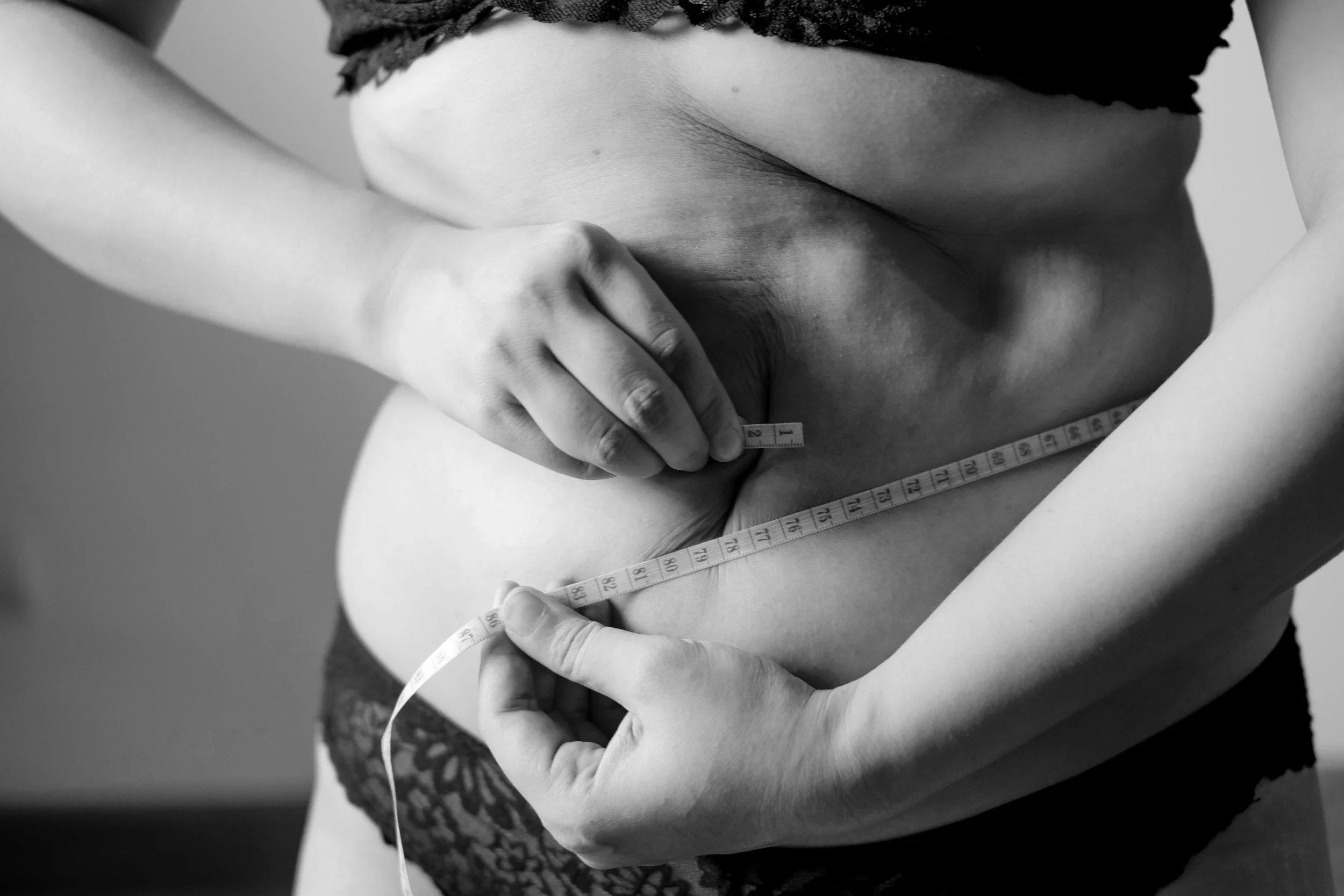
Why the Scale Doesn't Tell the Full Story During Weight Loss

Why the Scale Doesn't Tell the Full Story During Weight Loss

Many patients become discouraged when the scale slows down. Learn why body composition and fat loss matter more than weight alone during your transformation journey.

Peptide Therapy in San Diego: The Complete Beginner's Guide

Peptide therapy is quickly becoming one of the most popular wellness treatments for individuals looking to support weight management, recovery, healthy aging, energy, skin health, and overall wellness.

At MedArts Weight Loss & Aesthetics in San Diego, we offer advanced peptide therapy programs designed to help patients achieve their health and wellness goals through physician-supervised care and personalized treatment plans.

If you've heard about peptides but aren't exactly sure what they are or how they work, this guide will help you understand the basics and introduce you to some of the most popular peptide therapies available today.

What Are Peptides?

Peptides are short chains of amino acids that naturally occur within the body. They act as messengers that help regulate important biological processes including:

  • Recovery and repair

  • Metabolism

  • Cellular communication

  • Skin health

  • Energy production

  • Body composition

  • Healthy aging

As we age, certain biological functions naturally change. Peptide therapy is designed to support these processes and help optimize overall wellness.

Why Is Peptide Therapy Becoming So Popular?

Today's patients are increasingly looking for proactive wellness solutions.

Rather than focusing solely on treating problems after they occur, many individuals are investing in therapies designed to support:

  • Healthy aging

  • Weight management

  • Recovery

  • Skin rejuvenation

  • Energy and vitality

  • Long-term wellness

This shift toward preventive wellness has made peptide therapy one of the fastest-growing areas in modern wellness medicine.

Types of Peptide Therapy Available at MedArts

Tesamorelin

Tesamorelin is one of the most popular peptides for individuals focused on body composition and metabolic support.

Potential areas of support include:

  • Body composition goals

  • Lean muscle preservation

  • Healthy aging

  • Wellness optimization

➡️ Learn more about Tesamorelin:
Tesamorelin in San Diego: Weight Loss & Body Composition Support

BPC-157

BPC-157 has become widely recognized among individuals focused on recovery and wellness.

Patients often explore BPC-157 for:

  • Recovery support

  • Active lifestyle goals

  • Joint wellness

  • Overall wellness optimization

➡️ Learn more about BPC-157:
BPC-157 in San Diego: Recovery, Healing & Wellness Support

GHK-Cu

GHK-Cu is often associated with skin rejuvenation and healthy aging programs.

Many patients explore GHK-Cu for:

  • Skin wellness

  • Collagen support

  • Healthy aging

  • Hair wellness

➡️ Learn more about GHK-Cu:
GHK-Cu in San Diego: Skin Rejuvenation & Healthy Aging

Glow Stack

The Glow Stack is designed for individuals focused on beauty and wellness from within.

Potential areas of support include:

  • Skin hydration

  • Skin radiance

  • Collagen support

  • Healthy aging

➡️ Learn more about the Glow Stack:
Glow Stack in San Diego: Radiant Skin & Wellness Support

Wolverine Stack

The Wolverine Stack is popular among active adults seeking recovery-focused wellness support.

Patients often choose this option for:

  • Recovery support

  • Mobility goals

  • Wellness optimization

  • Active lifestyle maintenance

➡️ Learn more about the Wolverine Stack:
Wolverine Stack in San Diego: Recovery & Wellness Support

NAD+

NAD+ has become one of the most discussed wellness therapies in longevity-focused medicine.

Many individuals are interested in NAD+ for:

  • Cellular energy support

  • Mental clarity

  • Healthy aging

  • Overall vitality

➡️ Learn more about NAD+:
NAD+ Therapy in San Diego: Energy, Focus & Healthy Aging

Peptide Therapy vs. GLP-1 Weight Loss Medications

One of the most common questions we receive is whether peptide therapy is the same as medications like Semaglutide or Tirzepatide.

While GLP-1 medications are technically peptides, they are specifically designed for weight management and appetite regulation.

Many other peptides focus on recovery, healthy aging, body composition, energy, and wellness goals.

➡️ Read our comparison guide:
Peptide Therapy vs. GLP-1 Medications: What's the Difference?

Can Peptides Support Healthy Aging?

Healthy aging has become one of the most exciting areas of peptide therapy.

Many wellness-focused adults are interested in maintaining:

  • Energy

  • Mobility

  • Recovery

  • Skin quality

  • Body composition

  • Overall vitality

➡️ Read more:
Can Peptides Support Healthy Aging?

Who Is a Candidate for Peptide Therapy?

You may be a candidate for peptide therapy if you are interested in:

  • Weight management support

  • Recovery and performance

  • Healthy aging

  • Skin rejuvenation

  • Wellness optimization

  • Energy support

The best way to determine candidacy is through a personalized consultation with a qualified provider.

Why Choose MedArts for Peptide Therapy in San Diego?

At MedArts Weight Loss & Aesthetics, we take a personalized approach to wellness.

Our programs include:

  • Physician-supervised care

  • Customized treatment plans

  • Advanced peptide therapies

  • Weight loss support

  • Aesthetic services

  • Ongoing monitoring and guidance

We work closely with every patient to create a treatment plan aligned with their individual goals.

Frequently Asked Questions

What is peptide therapy?

Peptide therapy uses specific amino acid chains designed to support various biological functions associated with wellness and healthy aging.

Are peptides safe?

Treatment recommendations should always be made by a qualified healthcare provider based on individual needs and goals.

How do I know which peptide is right for me?

A consultation can help determine which peptide therapy options may align with your wellness goals.

Can peptide therapy be combined with aesthetic treatments?

Many patients incorporate peptide therapy alongside skincare treatments and wellness services.

Can peptide therapy be combined with medical weight loss programs?

Some patients discuss combining therapies as part of a personalized physician-supervised treatment plan.

Ready to Learn More?

Whether your goals include healthy aging, recovery, skin rejuvenation, energy support, or body composition optimization, our team is here to help.

👉 Schedule Your Consultation Today

👉 Learn More About Peptide Therapy Services

Best Peptides for Weight Loss: A Guide to Commonly Discussed Options

Wondering which peptides are associated with weight management? Learn how different peptide-based therapies work, how they differ from GLP-1 medications, and why personalized care matters.

Can Peptides Support Healthy Aging? | A Guide to Longevity & Wellness

As more people explore advanced wellness and weight loss treatments, two terms are appearing more frequently in conversations: peptide therapy and GLP-1 medications.

Many patients assume they are the same thing, but while GLP-1 medications are technically peptides, not all peptide therapies are designed for weight loss.

Understanding the difference can help you determine which option may align best with your health and wellness goals.

At MedArts Weight Loss & Aesthetics in San Diego, we offer personalized wellness and weight management programs designed around each patient's unique needs.

What Is Peptide Therapy?

Peptide therapy refers to the use of specific amino acid chains called peptides that help support various functions within the body.

Different peptides have different purposes.

Some peptides may support:

  • Recovery and healing

  • Healthy aging

  • Skin rejuvenation

  • Energy production

  • Body composition

  • Wellness optimization

Examples of peptide therapies offered at MedArts include:

  • Tesamorelin

  • BPC-157

  • GHK-Cu

  • Glow Stack

  • Wolverine Stack

  • NAD+ Wellness Support

Each peptide is selected based on an individual's specific goals.

What Are GLP-1 Medications?

GLP-1 medications are a specific category of peptides designed to support weight management and blood sugar regulation.

Popular examples include:

  • Semaglutide

  • Tirzepatide

These medications work differently than many wellness-focused peptides because they primarily target appetite regulation and metabolic pathways associated with weight loss.

Many patients choose GLP-1 medications when their primary goal is reducing body weight.

Key Differences Between Peptide Therapy and GLP-1 Medications

Primary Goal

GLP-1 Medications:
Typically focused on weight management and appetite control.

Peptide Therapy:
May focus on recovery, healthy aging, skin health, energy, body composition, wellness, or performance support.

Treatment Approach

GLP-1 Medications:
Often used within structured medical weight loss programs.

Peptide Therapy:
Can be incorporated into wellness, anti-aging, recovery, and body optimization plans.

Patient Goals

Patients interested in GLP-1 medications are often seeking:

  • Weight loss support

  • Appetite management

  • Metabolic health support

Patients interested in peptide therapy may be seeking:

  • Recovery support

  • Skin rejuvenation

  • Healthy aging

  • Improved energy

  • Body composition support

  • Wellness optimization

Can Peptide Therapy and GLP-1 Medications Be Used Together?

In some cases, patients may discuss combining therapies as part of a physician-supervised wellness plan.

For example, a patient using a GLP-1 medication for weight management may also be interested in therapies designed to support body composition, recovery, or healthy aging.

Treatment recommendations should always be personalized based on individual goals, medical history, and provider guidance.

Which Option Is Right for You?

The answer depends on your goals.

If your primary objective is weight loss, a GLP-1 medication may be an option worth discussing.

If your focus is recovery, healthy aging, skin rejuvenation, energy, or wellness optimization, peptide therapy may be a valuable addition to your wellness plan.

Many patients discover that their goals extend beyond simply losing weight and include improving how they look, feel, and function.

Why Personalized Care Matters

No two patients are exactly alike.

At MedArts Weight Loss & Aesthetics, we take the time to understand your goals before recommending a treatment plan.

Factors we consider include:

  • Current health status

  • Weight management goals

  • Lifestyle factors

  • Recovery needs

  • Healthy aging objectives

  • Aesthetic concerns

  • Long-term wellness goals

This personalized approach helps ensure each patient receives a plan tailored to their needs.

Frequently Asked Questions

Are GLP-1 medications considered peptides?

Yes. GLP-1 medications are a specific type of peptide, but not all peptides are GLP-1 medications.

Which is better for weight loss?

GLP-1 medications are specifically designed for weight management, while many other peptides focus on different wellness goals.

Can peptide therapy help support healthy aging?

Many peptide therapies are used as part of healthy aging and wellness programs.

Can I combine peptide therapy with a medical weight loss program?

Some patients may discuss combining therapies as part of a personalized physician-supervised treatment plan.

How do I know which option is right for me?

A consultation with a qualified provider is the best way to determine which treatment approach aligns with your goals.

Schedule Your Consultation

Whether you're interested in medical weight loss, peptide therapy, healthy aging, or overall wellness optimization, the team at MedArts Weight Loss & Aesthetics is here to help.

Schedule a consultation today to learn more about your options and create a personalized treatment plan designed around your goals.

The Complete Guide to Peptide Therapy: Benefits, Uses & What to Expect

The Complete Guide to Peptide Therapy: Benefits, Uses & What to Expect

Curious about peptide therapy? This comprehensive guide explains how peptides work, common treatment goals, potential benefits, and what to expect during physician-supervised care at MedArts Weight Loss Specialists in San Diego.

Peptide Therapy vs. GLP-1 Medications: What's the Difference?

As more people explore advanced wellness and weight loss treatments, two terms are appearing more frequently in conversations: peptide therapy and GLP-1 medications.

Many patients assume they are the same thing, but while GLP-1 medications are technically peptides, not all peptide therapies are designed for weight loss.

Understanding the difference can help you determine which option may align best with your health and wellness goals.

At MedArts Weight Loss & Aesthetics in San Diego, we offer personalized wellness and weight management programs designed around each patient's unique needs.

What Is Peptide Therapy?

Peptide therapy refers to the use of specific amino acid chains called peptides that help support various functions within the body.

Different peptides have different purposes.

Some peptides may support:

  • Recovery and healing

  • Healthy aging

  • Skin rejuvenation

  • Energy production

  • Body composition

  • Wellness optimization

Examples of peptide therapies offered at MedArts include:

  • Tesamorelin

  • BPC-157

  • GHK-Cu

  • Glow Stack

  • Wolverine Stack

  • NAD+ Wellness Support

Each peptide is selected based on an individual's specific goals.

What Are GLP-1 Medications?

GLP-1 medications are a specific category of peptides designed to support weight management and blood sugar regulation.

Popular examples include:

  • Semaglutide

  • Tirzepatide

These medications work differently than many wellness-focused peptides because they primarily target appetite regulation and metabolic pathways associated with weight loss.

Many patients choose GLP-1 medications when their primary goal is reducing body weight.

Key Differences Between Peptide Therapy and GLP-1 Medications

Primary Goal

GLP-1 Medications:
Typically focused on weight management and appetite control.

Peptide Therapy:
May focus on recovery, healthy aging, skin health, energy, body composition, wellness, or performance support.

Treatment Approach

GLP-1 Medications:
Often used within structured medical weight loss programs.

Peptide Therapy:
Can be incorporated into wellness, anti-aging, recovery, and body optimization plans.

Patient Goals

Patients interested in GLP-1 medications are often seeking:

  • Weight loss support

  • Appetite management

  • Metabolic health support

Patients interested in peptide therapy may be seeking:

  • Recovery support

  • Skin rejuvenation

  • Healthy aging

  • Improved energy

  • Body composition support

  • Wellness optimization

Can Peptide Therapy and GLP-1 Medications Be Used Together?

In some cases, patients may discuss combining therapies as part of a physician-supervised wellness plan.

For example, a patient using a GLP-1 medication for weight management may also be interested in therapies designed to support body composition, recovery, or healthy aging.

Treatment recommendations should always be personalized based on individual goals, medical history, and provider guidance.

Which Option Is Right for You?

The answer depends on your goals.

If your primary objective is weight loss, a GLP-1 medication may be an option worth discussing.

If your focus is recovery, healthy aging, skin rejuvenation, energy, or wellness optimization, peptide therapy may be a valuable addition to your wellness plan.

Many patients discover that their goals extend beyond simply losing weight and include improving how they look, feel, and function.

Why Personalized Care Matters

No two patients are exactly alike.

At MedArts Weight Loss & Aesthetics, we take the time to understand your goals before recommending a treatment plan.

Factors we consider include:

  • Current health status

  • Weight management goals

  • Lifestyle factors

  • Recovery needs

  • Healthy aging objectives

  • Aesthetic concerns

  • Long-term wellness goals

This personalized approach helps ensure each patient receives a plan tailored to their needs.

Frequently Asked Questions

Are GLP-1 medications considered peptides?

Yes. GLP-1 medications are a specific type of peptide, but not all peptides are GLP-1 medications.

Which is better for weight loss?

GLP-1 medications are specifically designed for weight management, while many other peptides focus on different wellness goals.

Can peptide therapy help support healthy aging?

Many peptide therapies are used as part of healthy aging and wellness programs.

Can I combine peptide therapy with a medical weight loss program?

Some patients may discuss combining therapies as part of a personalized physician-supervised treatment plan.

How do I know which option is right for me?

A consultation with a qualified provider is the best way to determine which treatment approach aligns with your goals.

Schedule Your Consultation

Whether you're interested in medical weight loss, peptide therapy, healthy aging, or overall wellness optimization, the team at MedArts Weight Loss & Aesthetics is here to help.

Schedule a consultation today to learn more about your options and create a personalized treatment plan designed around your goals.

How to Tighten Skin After Weight Loss (Without Surgery)

One of the most common concerns patients have after significant weight loss is loose or sagging skin.

At MedArts Weight Loss & Aesthetics, many patients ask:

“How can I tighten my skin after losing weight without surgery?”

Skin changes are a normal part of the weight loss process, especially after significant fat reduction from treatments like semaglutide or tirzepatide.

The good news is that there are multiple non-surgical ways to support skin tightening, collagen production, and overall skin health.

Why Loose Skin Happens After Weight Loss

Skin is designed to stretch and adapt over time.

When weight is gained, skin expands. When weight is lost, especially quickly, the skin may not always fully contract immediately.

Factors that affect skin elasticity include:

  • age

  • genetics

  • amount of weight lost

  • speed of weight loss

  • hydration levels

  • collagen production

  • sun exposure history

Can GLP-1 Medications Cause Loose Skin?

GLP-1 medications like semaglutide and tirzepatide do not directly cause loose skin.

However, they may contribute to:

  • faster weight loss in some patients

  • significant fat reduction

  • changes in body composition

Loose skin is related to weight loss itself, not the medication.

Natural Ways to Support Skin Tightening

Prioritize Protein Intake

Protein supports:

  • collagen production

  • skin repair

  • tissue strength

Low protein intake during weight loss may reduce skin elasticity support.

Stay Hydrated

Hydration supports:

  • skin elasticity

  • plump appearance

  • overall skin health

Dehydrated skin may appear looser or less firm.

Support Collagen Production

Key nutrients that support collagen include:

  • vitamin C

  • amino acids

  • zinc

  • healthy fats

These help support the skin’s structure and healing processes.

Strength Training

Building muscle helps:

  • improve skin appearance

  • support body contouring

  • enhance firmness under the skin

Even moderate resistance training can make a noticeable difference.

Non-Surgical Skin Tightening Treatments

Many patients choose in-office treatments to help improve skin firmness and texture.

These may include:

Radiofrequency Treatments

Helps stimulate collagen and improve skin tightening over time.

Microneedling

Encourages natural collagen production and skin renewal.

Body Contouring Treatments

May help improve skin tone and texture in targeted areas.

Biostimulators

Support long-term collagen production beneath the skin.

These treatments work best when combined with healthy lifestyle habits.

Why Gradual Weight Loss Helps

Slower, steady weight loss may allow skin more time to adapt.

Patients often see better results when combining:

  • medical supervision

  • proper nutrition

  • hydration

  • muscle support

  • consistent follow-up care

What Results to Expect

Skin tightening is a gradual process.

Improvements may occur over:

  • several weeks

  • months

  • ongoing maintenance care

Results depend on:

  • age

  • genetics

  • lifestyle habits

  • treatment choices

When Surgery May Be Considered

For patients with significant weight loss, surgical options may sometimes be discussed if:

  • excess skin is severe

  • it affects mobility or comfort

  • non-surgical options are not enough

Most patients start with non-invasive options first.

Final Thoughts

Loose skin after weight loss is a common and natural part of transformation — not a failure.

At MedArts Weight Loss & Aesthetics, we focus on helping patients achieve results while also supporting skin health, confidence, and long-term wellness.

With the right combination of nutrition, lifestyle habits, and aesthetic treatments, patients can significantly improve skin appearance and feel more confident in their results.

Frequently Asked Questions

Can you tighten loose skin after weight loss naturally?

Yes. Protein intake, hydration, strength training, and collagen support may help improve skin firmness.

Do GLP-1 medications cause loose skin?

No. Loose skin is related to weight loss, not the medication itself.

How long does it take for skin to tighten after weight loss?

It may take several months as the body adjusts and collagen rebuilds.

What treatments help tighten skin without surgery?

Microneedling, radiofrequency, and collagen-stimulating treatments may help improve skin appearance.

Can exercise help with loose skin?

Yes. Strength training helps build muscle underneath the skin, improving overall firmness and tone.

Want to Improve Skin Tightness After Weight Loss?

MedArts Weight Loss & Aesthetics offers advanced aesthetic treatments and medical weight loss support designed to help patients look and feel their best throughout their transformation.

📞 Call or text today to schedule your consultation.

How to Stay on Track With Weight Loss While Traveling This Summer

How to Stay on Track With Weight Loss While Traveling This Summer

Vacation and travel do not have to ruin your progress. Learn practical tips for staying consistent with weight loss goals while enjoying summer travel and events.

Wolverine Stack in San Diego: Advanced Recovery, Performance, and Wellness Support

Recovery is one of the most important yet often overlooked aspects of maintaining an active and healthy lifestyle. Whether you're exercising regularly, enjoying recreational activities, or simply looking to stay active as you age, your body's ability to recover can have a significant impact on how you feel and perform.

That's why many wellness-focused individuals are exploring advanced peptide therapies like the Wolverine Stack.

At MedArts Weight Loss & Aesthetics in San Diego, we offer physician-supervised peptide therapy programs designed to support recovery, performance, healthy aging, and overall wellness.

What Is the Wolverine Stack?

The Wolverine Stack is a combination peptide protocol designed to support the body's natural recovery processes.

Named after the famous comic book character known for his rapid healing abilities, the Wolverine Stack has become popular among individuals seeking additional support for recovery, mobility, and wellness.

Many patients incorporate the Wolverine Stack into a broader wellness strategy focused on maintaining an active lifestyle and supporting long-term health goals.

Why Is the Wolverine Stack So Popular?

As we age, recovery often takes longer than it did in our younger years.

Many individuals experience:

  • Slower recovery after exercise

  • Joint discomfort

  • Reduced mobility

  • Increased physical fatigue

  • Difficulty maintaining an active lifestyle

The Wolverine Stack has gained popularity because it is often used by individuals looking to support recovery and optimize wellness.

Potential Benefits of the Wolverine Stack

Supports Recovery

One of the primary reasons patients explore the Wolverine Stack is to support the body's natural recovery process.

Whether you're active in the gym, on the golf course, hiking local San Diego trails, or simply staying busy with daily life, recovery plays an important role in overall wellness.

Supports Joint and Mobility Goals

Healthy joints and connective tissues are essential for maintaining movement and activity throughout life.

Many patients interested in the Wolverine Stack are focused on supporting mobility and staying active.

Supports Active Lifestyles

The Wolverine Stack is popular among:

  • Fitness enthusiasts

  • Recreational athletes

  • Active adults

  • Weekend warriors

  • Individuals focused on longevity and wellness

Healthy Aging Support

Maintaining strength, movement, and recovery becomes increasingly important as we age.

Many patients include peptide therapy as part of a proactive healthy aging strategy.

Wellness Optimization

The Wolverine Stack is frequently incorporated into comprehensive wellness plans that also emphasize nutrition, exercise, sleep, and recovery.

Who May Be a Candidate for the Wolverine Stack?

You may be interested in learning more about the Wolverine Stack if you:

  • Live an active lifestyle

  • Exercise regularly

  • Want to support recovery

  • Are focused on healthy aging

  • Want to support mobility and joint health

  • Are interested in advanced wellness therapies

The best way to determine whether peptide therapy aligns with your goals is through a personalized consultation.

Wolverine Stack vs. BPC-157

Many patients ask about the difference between BPC-157 and the Wolverine Stack.

While both are commonly associated with recovery-focused wellness programs, the Wolverine Stack is often used as a broader recovery protocol that may support multiple aspects of wellness and performance.

During your consultation, our team can help determine which option best aligns with your individual goals.

Building a Complete Recovery Strategy

While peptide therapy can be an exciting addition to a wellness plan, optimal recovery often involves several lifestyle factors, including:

  • Proper nutrition

  • Adequate hydration

  • Quality sleep

  • Regular movement

  • Strength training

  • Stress management

At MedArts, we focus on creating comprehensive wellness plans designed around each patient's unique needs.

Why Choose MedArts for Wolverine Stack Therapy in San Diego?

At MedArts Weight Loss & Aesthetics, we take a personalized approach to wellness and recovery.

Our programs include:

  • Physician-supervised care

  • Customized treatment plans

  • Advanced peptide therapies

  • Ongoing monitoring and support

  • Comprehensive wellness solutions

Whether your goal is recovery, healthy aging, performance support, or overall wellness, our team is here to help.

Frequently Asked Questions

What is the Wolverine Stack?

The Wolverine Stack is a recovery-focused peptide protocol designed to support wellness, recovery, mobility, and active lifestyle goals.

Who typically uses the Wolverine Stack?

Many active adults, fitness enthusiasts, and individuals focused on healthy aging explore the Wolverine Stack as part of their wellness routine.

Is the Wolverine Stack only for athletes?

No. While athletes may be interested in recovery support, many everyday individuals also explore peptide therapy to help maintain activity and mobility.

Can the Wolverine Stack support healthy aging?

Many patients include recovery-focused wellness therapies as part of their long-term healthy aging strategy.

How do I know if the Wolverine Stack is right for me?

A consultation with a qualified provider is the best way to determine whether the Wolverine Stack aligns with your health and wellness goals.

Schedule Your Consultation

Interested in learning more about the Wolverine Stack in San Diego?

Our team at MedArts Weight Loss & Aesthetics can help determine whether this advanced recovery-focused peptide therapy may be a good fit for your personalized wellness plan.

Contact us today to schedule your consultation and discover how peptide therapy may help support your recovery and wellness goals.

GLP-1 Face: Why Facial Changes Happen During Weight Loss

As GLP-1 medications like semaglutide and tirzepatide continue to help patients achieve significant weight loss, many people begin noticing changes not only in their body — but also in their face.

A term that has become increasingly popular online is:

“GLP-1 face.”

At MedArts Weight Loss & Aesthetics, patients often ask what this means and whether it is something to be concerned about.

The truth is that facial changes during weight loss are normal and often related to fat loss, skin elasticity, and overall body composition changes.

Understanding these changes can help patients feel more confident and supported during their transformation.

What Is “GLP-1 Face”?

“GLP-1 face” is not a medical diagnosis.

It is a social media term used to describe facial changes that may occur during rapid weight loss, including:

  • reduced facial fullness

  • more defined facial features

  • volume loss in cheeks

  • appearance of looser skin

  • more visible bone structure

These changes can happen with any type of significant weight loss, not just GLP-1 medications.

Why Facial Changes Happen During Weight Loss

The face contains fat pads that help support:

  • youthful fullness

  • smooth contours

  • skin elasticity appearance

When weight loss occurs, especially if it is rapid, these fat pads may shrink.

This can result in:

  • slimmer facial appearance

  • more defined jawline

  • reduced cheek volume

  • changes in skin tightness

These changes are a natural part of overall body fat reduction.

Is GLP-1 Face Permanent?

In most cases, facial changes are not harmful or permanent.

However, skin elasticity and volume recovery depend on:

  • age

  • genetics

  • speed of weight loss

  • hydration

  • nutrition

  • collagen production

Some patients naturally regain some fullness over time, while others choose aesthetic treatments for added support.

How to Support Healthy Skin During Weight Loss

Prioritize Protein Intake

Protein supports:

  • collagen production

  • skin structure

  • tissue repair

Low protein intake may contribute to a “deflated” appearance during weight loss.

Stay Hydrated

Hydration supports:

  • skin elasticity

  • plumpness

  • overall complexion

Dehydration can make facial changes appear more noticeable.

Support Collagen Production

Nutrients that may support skin health include:

  • vitamin C

  • zinc

  • amino acids

  • healthy fats

These support overall skin quality during weight loss.

Avoid Rapid, Extreme Weight Loss

Faster weight loss may increase visible facial changes.

A steady, medically supervised approach is often more balanced for long-term results.

Aesthetic Options to Support Facial Volume

Some patients choose to combine medical weight loss with aesthetic treatments to maintain a youthful, balanced appearance.

Common options may include:

  • dermal fillers

  • biostimulators

  • skin tightening treatments

  • collagen-boosting facials

  • microneedling

These treatments can help support facial structure and skin quality during or after weight loss.

Why This Happens More on GLP-1 Medications

GLP-1 medications often reduce appetite significantly, which can lead to:

  • faster fat loss in some patients

  • lower calorie intake

  • reduced nutrient intake if not monitored

This is why nutrition and follow-up care are important during treatment.

The Positive Side of Facial Changes

While some patients are concerned about facial slimming, others notice:

  • improved facial definition

  • sharper jawline

  • more sculpted features

  • reduced puffiness

Changes vary widely depending on the individual.

When to Be Concerned

Facial changes are typically cosmetic and not medically concerning.

However, patients should contact their provider if they experience:

  • excessive fatigue

  • signs of poor nutrition

  • rapid unintentional weight loss beyond goals

“GLP-1 face” is a normal part of significant weight loss for some patients and is not a medical condition.

At MedArts Weight Loss & Aesthetics, we focus on helping patients achieve results while also supporting overall wellness, nutrition, and aesthetic balance.

With the right plan, patients can feel confident in both their health and appearance throughout their transformation.

Frequently Asked Questions

What is GLP-1 face?

It is a non-medical term describing facial changes like reduced fullness during weight loss.

Does semaglutide cause facial aging?

No. Facial changes are related to weight loss, not the medication itself.

Can GLP-1 face be prevented?

Slower weight loss, proper nutrition, hydration, and skin support may help reduce noticeable changes.

Do facial changes go away after weight loss?

Some changes may improve over time, while others may remain depending on skin elasticity and genetics.

Are there treatments for facial volume loss?

Yes. Many patients choose aesthetic treatments such as fillers or skin tightening to restore balance.

Support Your Weight Loss & Skin Health Together

MedArts Weight Loss & Aesthetics offers both medical weight loss and aesthetic treatments to help patients achieve balanced, confident results inside and out.

📞 Call or text today to schedule your consultation.

Why So Many People Feel Exhausted in Summer — And How IV Therapy May Help

Why So Many People Feel Exhausted in Summer — And How IV Therapy May Help

Summer heat, dehydration, travel, and busy schedules can leave many people feeling exhausted. Learn how hydration and IV therapy may help support energy and wellness.

GHK-Cu in San Diego: The Peptide for Skin Rejuvenation and Healthy Aging

When it comes to healthy aging, most people want to maintain vibrant skin, healthy hair, and a youthful appearance. While skincare products and aesthetic treatments can play an important role, advanced wellness therapies are becoming increasingly popular for supporting beauty from within.

One peptide attracting significant attention in the aesthetic and wellness industry is GHK-Cu.

At MedArts Weight Loss & Aesthetics in San Diego, we offer physician-supervised peptide therapy programs designed to support skin health, collagen production, and overall wellness. GHK-Cu has become a favorite among patients seeking comprehensive anti-aging solutions.

What Is GHK-Cu?

GHK-Cu, often referred to as a copper peptide, is a naturally occurring peptide found in the human body.

It was first discovered in human plasma and has been extensively studied for its role in supporting tissue regeneration, collagen production, skin health, and healthy aging.

As we age, natural levels of GHK-Cu decline. Many wellness-focused individuals are interested in therapies that help support these natural biological processes.

Why Is GHK-Cu So Popular?

GHK-Cu has gained popularity because it targets some of the most common concerns associated with aging:

  • Fine lines and wrinkles

  • Loss of skin elasticity

  • Changes in skin texture

  • Dull skin tone

  • Hair thinning

  • Overall skin quality

Rather than focusing solely on surface-level improvements, GHK-Cu is often used as part of a broader wellness strategy designed to support the body's natural regenerative processes.

Potential Benefits of GHK-Cu

Supports Collagen Production

Collagen is one of the most important proteins responsible for maintaining firm, healthy-looking skin.

As collagen production naturally decreases with age, many patients seek therapies that support healthy collagen levels.

Promotes Skin Rejuvenation

GHK-Cu is frequently incorporated into anti-aging programs because of its association with skin renewal and rejuvenation.

Many individuals are interested in achieving smoother, healthier-looking skin through a comprehensive approach that includes wellness support.

Supports Skin Elasticity

Healthy skin elasticity contributes to a youthful appearance.

Patients often explore GHK-Cu as part of their long-term healthy aging and aesthetic goals.

Hair Health Support

In addition to skin benefits, GHK-Cu has gained attention for its potential role in supporting healthy hair growth and scalp health.

Healthy Aging Support

Many patients choose GHK-Cu because it aligns with their goal of supporting healthy aging both internally and externally.

GHK-Cu and Aesthetic Treatments

One of the reasons GHK-Cu fits so well into a medical spa setting is that it complements many popular aesthetic services.

Patients interested in skin rejuvenation often combine wellness therapies with treatments such as:

  • Microneedling

  • Procell Microchanneling

  • Chemical Peels

  • Medical-Grade Skincare

  • Facials

  • Collagen-Stimulating Treatments

Combining internal wellness support with external aesthetic treatments may help create a more comprehensive approach to skin health.

Who May Be a Candidate for GHK-Cu?

You may be interested in learning more about GHK-Cu if you:

  • Want to support healthy aging

  • Are concerned about skin quality

  • Want to support collagen production

  • Are focused on skin rejuvenation

  • Are interested in hair wellness support

  • Want a physician-supervised wellness program

A consultation is the best way to determine whether GHK-Cu aligns with your goals.

Why Choose MedArts for GHK-Cu Therapy in San Diego?

At MedArts Weight Loss & Aesthetics, we believe true beauty starts with wellness.

Our team provides:

  • Physician-supervised care

  • Customized wellness plans

  • Advanced peptide therapies

  • Medical-grade aesthetic services

  • Ongoing support and monitoring

Whether your goal is healthier skin, healthy aging, or overall wellness, we can help create a personalized treatment strategy designed around your needs.

Frequently Asked Questions

What is GHK-Cu?

GHK-Cu is a naturally occurring copper peptide associated with skin health, collagen support, tissue regeneration, and healthy aging.

Can GHK-Cu help support collagen production?

Many patients are interested in GHK-Cu because of its connection to collagen production and skin rejuvenation.

Is GHK-Cu only for skin concerns?

No. While skin rejuvenation is one of its most popular uses, GHK-Cu has also gained attention for supporting hair health and overall wellness.

Can GHK-Cu be combined with aesthetic treatments?

Many patients incorporate GHK-Cu into a comprehensive treatment plan that may include skincare and aesthetic procedures.

How long does it take to see results?

Results vary from person to person depending on individual goals, consistency, and overall wellness factors.

Schedule Your Consultation

Interested in learning more about GHK-Cu peptide therapy in San Diego?

Our team at MedArts Weight Loss & Aesthetics can help determine whether GHK-Cu may be a valuable addition to your anti-aging and wellness plan.

Contact us today to schedule your personalized consultation.

Glow Stack in San Diego: The Inside-Out Approach to Radiant Skin and Wellness

Beautiful skin is about more than what you apply on the surface. While facials, skincare products, and aesthetic treatments can improve the appearance of the skin, true skin health starts from within.

That is why more patients are becoming interested in wellness therapies that support healthy skin, hydration, collagen production, and healthy aging from the inside out.

One of the newest options available at MedArts Weight Loss & Aesthetics is the Glow Stack.

Designed for individuals who want to support skin health and overall wellness, the Glow Stack has become a popular addition to many anti-aging and beauty-focused treatment plans.

What Is the Glow Stack?

The Glow Stack is a wellness-focused peptide protocol designed to support healthy skin function, hydration, collagen production, and overall vitality.

Rather than focusing solely on surface-level improvements, the Glow Stack is designed to complement aesthetic treatments by supporting the body's natural processes associated with skin health and healthy aging.

Many patients view the Glow Stack as part of a comprehensive beauty and wellness strategy.

Why Is the Glow Stack Becoming So Popular?

Today's patients are looking for more than temporary improvements. They want long-term skin health and wellness.

The Glow Stack has gained attention because it may help support:

  • Skin hydration

  • Skin radiance

  • Collagen production

  • Healthy aging

  • Overall wellness

  • Confidence and self-care goals

For many individuals, the Glow Stack represents a proactive approach to maintaining healthy, youthful-looking skin.

Potential Benefits of the Glow Stack

Supports Skin Hydration

Healthy, hydrated skin often appears smoother, brighter, and more youthful.

Many patients seek wellness therapies that help support skin hydration from within.

Promotes Radiant Skin

A healthy glow is one of the most common goals among aesthetic patients.

The Glow Stack is frequently incorporated into beauty-focused wellness programs designed to support overall skin appearance.

Supports Collagen Production

Collagen plays an important role in skin firmness and elasticity.

As collagen production naturally declines with age, many individuals seek therapies that support healthy collagen levels.

Healthy Aging Support

The Glow Stack is often chosen by patients who want to take a proactive approach to healthy aging and long-term skin wellness.

Complements Aesthetic Treatments

Many patients choose the Glow Stack alongside treatments such as:

  • Procell Microchanneling

  • Dermaplane Facials

  • Chemical Peels

  • Medical-Grade Skincare

  • Microneedling

  • Collagen-Stimulating Treatments

Supporting skin health from both the inside and outside can create a more comprehensive approach to skin rejuvenation.

Who May Be a Candidate for the Glow Stack?

You may be interested in the Glow Stack if you:

  • Want healthier-looking skin

  • Are focused on healthy aging

  • Want to support collagen production

  • Are concerned about dull or dehydrated skin

  • Are already investing in aesthetic treatments

  • Want a physician-guided wellness approach

A consultation is the best way to determine whether the Glow Stack aligns with your personal goals.

Combining the Glow Stack with Your Aesthetic Routine

One of the biggest advantages of the Glow Stack is its ability to complement many popular aesthetic services.

At MedArts Weight Loss & Aesthetics, patients often pair wellness therapies with treatments designed to enhance skin appearance and support long-term results.

When combined with healthy lifestyle habits and professional skincare, the Glow Stack may help support a more complete approach to beauty and wellness.

Why Choose MedArts for Glow Stack Therapy in San Diego?

At MedArts, we believe beauty and wellness work together.

Our team provides:

  • Physician-supervised care

  • Customized wellness programs

  • Advanced peptide therapies

  • Professional aesthetic services

  • Medical-grade skincare solutions

  • Ongoing support and guidance

Every treatment plan is personalized to help patients achieve their individual wellness and aesthetic goals.

Frequently Asked Questions

What is the Glow Stack?

The Glow Stack is a wellness-focused peptide protocol designed to support healthy skin, collagen production, hydration, and overall wellness.

Is the Glow Stack only for women?

No. Both men and women interested in healthy aging, skin health, and wellness may benefit from exploring the Glow Stack.

Can the Glow Stack replace skincare products?

No. The Glow Stack is intended to complement a comprehensive skincare and wellness routine, not replace it.

Can I combine the Glow Stack with aesthetic treatments?

Many patients incorporate the Glow Stack alongside treatments such as facials, Procell Microchanneling, chemical peels, and medical-grade skincare.

How long does it take to see results?

Individual experiences vary based on goals, consistency, and overall wellness factors.

Schedule Your Consultation

Interested in learning more about the Glow Stack in San Diego?

Our team at MedArts Weight Loss & Aesthetics can help determine whether this innovative wellness therapy may be a valuable addition to your beauty and healthy aging plan.

Contact us today to schedule your personalized consultation.

Can GLP-1 Medications Cause Hair Loss?

As GLP-1 medications like semaglutide and tirzepatide continue to grow in popularity, many patients begin noticing changes in their body during weight loss — including concerns about hair shedding.

At MedArts Weight Loss & Aesthetics, one of the most common questions we hear is:

“Can semaglutide or tirzepatide cause hair loss?”

The short answer is: GLP-1 medications are not directly known to cause hair loss, but some patients may experience temporary shedding during rapid weight loss.

Understanding why this happens can help reduce anxiety and support healthier long-term results.

Why Hair Shedding Can Happen During Weight Loss

Hair growth is sensitive to changes in the body.

Rapid weight loss, calorie reduction, and metabolic changes may trigger a temporary condition called telogen effluvium.

This can occur when the body experiences:

  • rapid weight loss

  • reduced calorie intake

  • stress on the body

  • hormonal changes

  • nutritional deficiencies

  • illness or physical stress

When this happens, more hair follicles enter a resting phase, leading to increased shedding.

Is It the Medication or the Weight Loss?

In most cases, it is not the medication itself causing hair loss.

Instead, it is usually related to:

  • rapid weight loss

  • low protein intake

  • reduced calorie intake

  • stress on the body

  • nutritional imbalance

This is important because it means the issue is often manageable and temporary.

How Common Is Hair Shedding on GLP-1 Medications?

Some patients may notice mild shedding during:

  • early stages of weight loss

  • periods of rapid progress

  • times of reduced nutrition

However, not all patients experience this, and it is not considered a universal side effect.

Many patients never experience noticeable hair changes at all.

How to Support Healthy Hair During Weight Loss

Prioritize Protein

Protein is essential for:

  • hair structure

  • follicle strength

  • overall growth cycles

Low protein intake is one of the most common contributors to hair shedding during weight loss.

Avoid Extreme Calorie Restriction

Very low calorie intake may stress the body and contribute to shedding.

Sustainable weight loss is generally healthier for both the body and hair health.

Support Key Nutrients

Hair health depends on nutrients such as:

  • iron

  • zinc

  • biotin

  • vitamin D

  • omega-3 fatty acids

A balanced diet or provider-guided supplementation may help support overall wellness.

Stay Hydrated

Hydration supports:

  • circulation

  • nutrient delivery

  • scalp health

  • overall wellness

Many patients underestimate the role hydration plays in hair health.

Manage Stress

Stress can significantly impact hair growth cycles.

Supporting:

  • sleep

  • relaxation

  • mental wellness

  • recovery

may help reduce shedding over time.

Will Hair Grow Back?

In most cases, weight-loss-related hair shedding is temporary.

Once the body stabilizes and nutrition improves, hair growth typically returns to its normal cycle over time.

This process may take several months depending on the individual.

Why Patients Should Not Panic

Hair shedding during weight loss can feel alarming, but it is often reversible and temporary.

The key is identifying the cause early and supporting the body with proper nutrition and healthy habits.

At MedArts Weight Loss & Aesthetics, we focus on helping patients achieve results in a way that supports overall wellness — not just weight loss alone.

Final Thoughts

GLP-1 medications like semaglutide and tirzepatide are not directly linked to permanent hair loss.

However, rapid weight loss and nutritional changes may contribute to temporary shedding in some patients.

With proper support, hydration, nutrition, and balanced weight loss strategies, most patients can continue progressing safely while supporting overall health.

Frequently Asked Questions

Does semaglutide cause hair loss?

Semaglutide is not directly known to cause hair loss, but rapid weight loss may contribute to temporary shedding in some patients.

Will hair grow back after weight loss?

In most cases, yes. Hair shedding related to weight loss is often temporary.

How can I prevent hair loss on GLP-1 medications?

Adequate protein intake, hydration, stress management, and balanced nutrition may help support hair health.

Is hair loss common with tirzepatide?

Not all patients experience hair loss. When it occurs, it is usually related to rapid weight loss rather than the medication itself.

Should I stop my medication if I notice hair shedding?

Patients should always consult their provider before making any changes to their treatment plan.

Supporting Your Weight Loss Safely Matters

MedArts Weight Loss & Aesthetics provides personalized medical weight loss and wellness support designed to help patients achieve results while maintaining overall health and balance.

📞 Call or text today to schedule your consultation or follow-up appointment.

Loose Skin After Weight Loss: What Actually Helps?

Loose Skin After Weight Loss: What Actually Helps?

Loose skin after weight loss is common, especially for patients on GLP-1 medications. Learn what causes it and which treatments may help improve skin firmness and confidence.

NAD+ Therapy in San Diego: Supporting Energy, Focus, and Healthy Aging

NAD+ Therapy in San Diego: Supporting Energy, Focus, and Healthy Aging

As we age, maintaining energy, mental clarity, and overall wellness becomes increasingly important. Many individuals are looking for advanced wellness solutions that support healthy aging from the inside out.

One of the most talked-about wellness therapies today is NAD+.

At MedArts Weight Loss & Aesthetics in San Diego, we offer NAD+ therapy as part of our comprehensive wellness programs designed to help patients optimize vitality, support healthy aging, and feel their best.

What Is NAD+?

NAD+ stands for Nicotinamide Adenine Dinucleotide, a coenzyme naturally found in every cell of the body.

NAD+ plays an essential role in cellular energy production and supports many biological processes that help keep the body functioning properly.

Because NAD+ levels naturally decline with age, many individuals seek therapies that may help support healthy NAD+ levels and overall wellness.

Why Is NAD+ Important?

Every cell in the body relies on energy to function. NAD+ helps support the processes involved in producing that energy.

Healthy NAD+ levels are associated with:

  • Cellular energy production

  • Mental clarity and focus

  • Healthy aging

  • Cognitive wellness

  • Overall vitality

  • Metabolic function

As interest in longevity and wellness continues to grow, NAD+ therapy has become increasingly popular among individuals focused on proactive health management.

Potential Benefits of NAD+ Therapy

Supports Cellular Energy

NAD+ plays a vital role in helping cells convert nutrients into usable energy.

Many patients seek NAD+ therapy as part of a wellness plan designed to support overall vitality and daily performance.

Promotes Mental Clarity

Mental sharpness and focus are important for work, family responsibilities, and everyday life.

Many individuals are interested in NAD+ because of its role in supporting healthy cognitive function.

Supports Healthy Aging

Healthy aging is about more than appearance. It involves maintaining energy, mobility, cognitive function, and overall quality of life.

NAD+ has become a popular component of many longevity-focused wellness programs.

Wellness Optimization

Patients often choose NAD+ therapy as part of a comprehensive strategy that includes nutrition, exercise, recovery, and preventive wellness care.

Who May Be Interested in NAD+ Therapy?

NAD+ therapy may appeal to individuals who:

  • Want to support energy levels

  • Are focused on healthy aging

  • Seek wellness optimization

  • Want to support mental clarity

  • Are committed to long-term health goals

  • Are looking for physician-guided wellness therapies

A consultation can help determine whether NAD+ therapy aligns with your personal goals.

NAD+ and Healthy Aging

One of the reasons NAD+ has attracted so much attention is its connection to healthy aging.

As NAD+ levels naturally decline over time, some individuals explore supplementation and wellness therapies designed to support the body's natural processes.

While aging is inevitable, many people are interested in strategies that help maintain vitality, energy, and overall wellness throughout life.

Why Choose MedArts for NAD+ Therapy in San Diego?

At MedArts Weight Loss & Aesthetics, we believe wellness should be personalized.

Our approach includes:

  • Physician-supervised care

  • Customized treatment plans

  • Advanced wellness therapies

  • Comprehensive support

  • Ongoing monitoring and guidance

We take the time to understand your goals and develop a wellness strategy tailored to your needs.

Frequently Asked Questions

What is NAD+?

NAD+ is a naturally occurring coenzyme found in every cell of the body that plays an important role in cellular energy production.

Why do NAD+ levels decline?

NAD+ levels naturally decrease with age, which is one reason many individuals become interested in therapies designed to support healthy aging and wellness.

Is NAD+ therapy only for older adults?

No. Adults of various ages may explore NAD+ therapy as part of their overall wellness strategy.

Can NAD+ help support energy?

Many patients are interested in NAD+ because of its role in cellular energy production and overall vitality.

How often is NAD+ therapy administered?

Treatment plans vary based on individual goals and are determined during a consultation.

Schedule Your Consultation

Interested in learning more about NAD+ therapy in San Diego?

Our team at MedArts Weight Loss & Aesthetics can help determine whether NAD+ therapy may be a valuable addition to your wellness plan.

Contact us today to schedule your personalized consultation and learn more about advanced wellness solutions.

Best Foods to Eat While Taking Semaglutide or Tirzepatide

Many patients starting semaglutide or tirzepatide ask the same question:

“What should I actually eat while taking GLP-1 medications?”

At MedArts Weight Loss & Aesthetics, nutrition is one of the most important conversations we have with patients during medical weight loss treatment.

While semaglutide and tirzepatide can help reduce appetite and cravings, proper nutrition still plays a major role in:

  • energy

  • muscle retention

  • hydration

  • metabolism

  • digestion

  • long-term success

The goal is not extreme dieting.

The goal is creating realistic eating habits that support both weight loss and overall wellness.

Why Nutrition Matters on GLP-1 Medications

GLP-1 medications work by:

  • slowing digestion

  • reducing appetite

  • helping patients feel fuller longer

Because patients naturally eat less during treatment, nutrition quality becomes even more important.

Some patients unintentionally:

  • under-eat protein

  • become dehydrated

  • skip meals

  • lose muscle mass

  • experience fatigue

This is why balanced nutrition is essential during treatment.

Best Foods to Prioritize on Semaglutide

Protein-Rich Foods

Protein is one of the most important nutrients during weight loss.

Protein helps support:

  • muscle retention

  • metabolism

  • fullness

  • recovery

  • stable energy

Good protein options include:

  • chicken

  • turkey

  • eggs

  • Greek yogurt

  • cottage cheese

  • fish

  • lean beef

  • protein shakes

  • tofu

Many patients benefit from eating protein first during meals because appetite is reduced.

Hydrating Foods

Hydration is extremely important during GLP-1 treatment.

Foods with high water content may help support hydration, including:

  • cucumbers

  • watermelon

  • berries

  • lettuce

  • celery

  • soups

  • citrus fruits

Patients should also prioritize regular water intake throughout the day.

Fiber-Rich Foods

Fiber may help support:

  • digestion

  • fullness

  • bowel regularity

Good fiber sources include:

  • vegetables

  • berries

  • chia seeds

  • oats

  • beans

  • avocado

Fiber should usually be increased gradually to avoid worsening bloating.

Healthy Fats

Healthy fats may help support:

  • hormone health

  • fullness

  • energy

  • nutrient absorption

Examples include:

  • avocado

  • nuts

  • olive oil

  • salmon

  • seeds

Foods That May Worsen Side Effects

Some foods may increase nausea, bloating, or discomfort during treatment.

Patients often tolerate treatment better when limiting:

  • greasy foods

  • fried foods

  • heavy processed meals

  • excessive sugar

  • overeating

  • large portions

Eating slowly and stopping before feeling overly full may also help reduce discomfort.

Why Hydration Matters So Much

Many patients do not realize how easily dehydration can happen during semaglutide treatment.

Reduced appetite often means:

  • reduced thirst

  • lower fluid intake

  • electrolyte imbalance

Dehydration may contribute to:

  • fatigue

  • headaches

  • constipation

  • dizziness

  • nausea

Consistent hydration is one of the simplest ways to help support overall wellness during treatment.

Should You Skip Meals?

Some patients feel tempted to skip meals because appetite is reduced.

Unfortunately, under-eating may contribute to:

  • fatigue

  • muscle loss

  • weakness

  • poor recovery

  • slowed metabolism

Small balanced meals are often more beneficial than extreme restriction.

Why Muscle Preservation Matters

Rapid weight loss without adequate protein or resistance training may increase muscle loss.

Maintaining muscle helps support:

  • metabolism

  • body composition

  • energy

  • long-term maintenance

This is why strength training and protein intake are commonly encouraged during medical weight loss programs.

Healthy Eating Does Not Need to Be Perfect

Many patients believe they must eat “perfectly” to succeed.

In reality, consistency matters much more than perfection.

The goal is learning realistic habits patients can maintain long-term rather than following extreme or restrictive diets.

Final Thoughts

Semaglutide and tirzepatide can be powerful tools for weight loss, but nutrition still matters tremendously during treatment.

Prioritizing protein, hydration, fiber, and balanced meals may help patients feel stronger, healthier, and more successful throughout their journey.

At MedArts Weight Loss & Aesthetics, we help patients create sustainable wellness plans designed to support long-term success and confidence.

Frequently Asked Questions

What foods should I eat on semaglutide?

Patients are often encouraged to prioritize protein, hydration, fiber, and balanced nutrient-rich meals.

What foods should I avoid on semaglutide?

Greasy foods, large portions, fried foods, and excessive sugar may worsen nausea or digestive discomfort.

Why is protein important during GLP-1 treatment?

Protein supports muscle retention, metabolism, fullness, and recovery during weight loss.

Can semaglutide cause dehydration?

Yes. Reduced appetite and thirst may increase the risk of dehydration during treatment.

Should I skip meals while taking semaglutide?

Skipping meals may contribute to fatigue, muscle loss, and inadequate nutrition.

Ready for Personalized Weight Loss Support?

MedArts Weight Loss & Aesthetics provides individualized wellness and nutrition support designed to help patients feel successful throughout their medical weight loss journey.

📞 Call or text today to schedule your consultation or follow-up appointment.