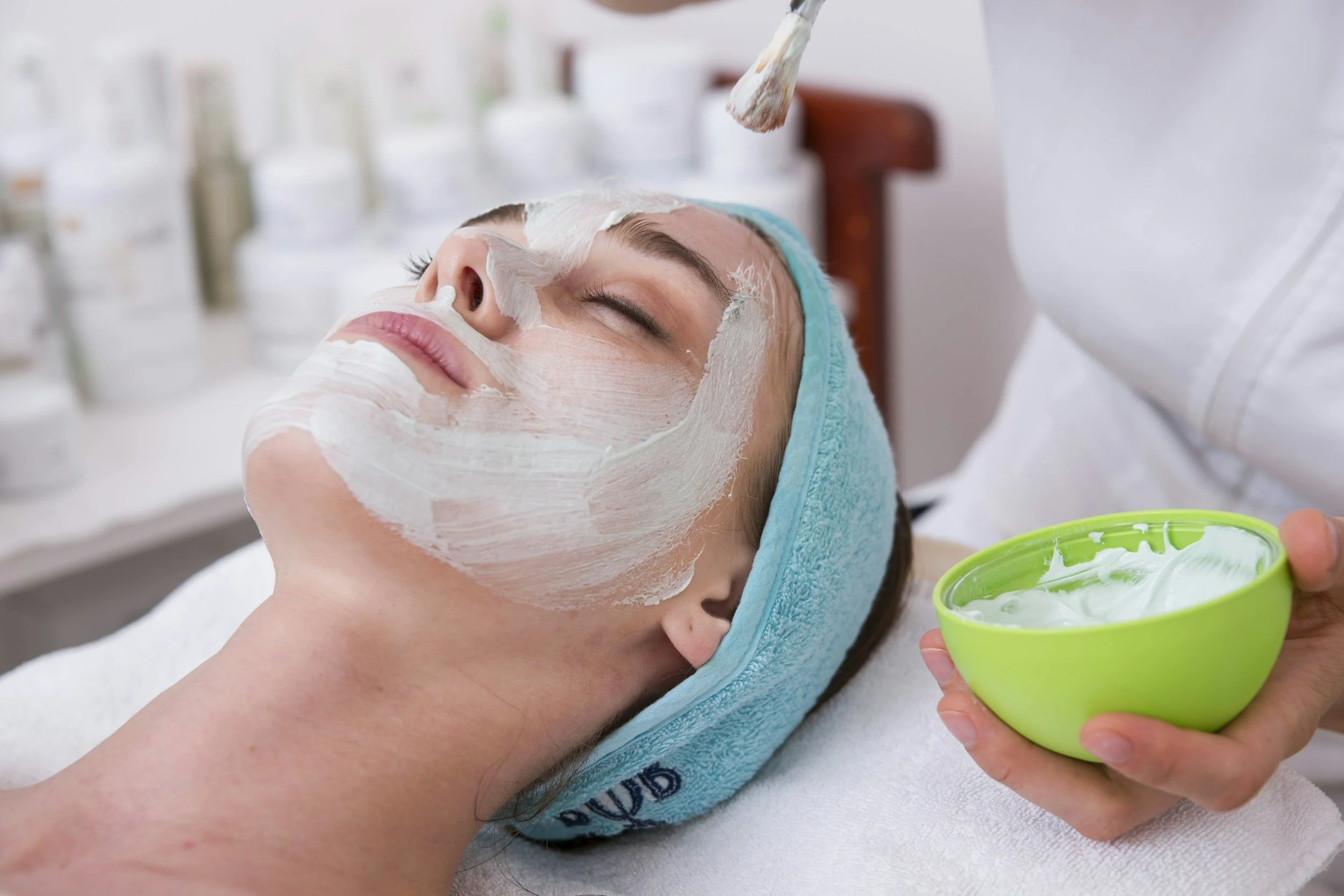
Many patients notice changes in their skin during weight loss, including dryness, dullness, breakouts, and loss of firmness. Learn how facials and skincare support may help.
Learn weight loss tips & tricks with blog posts from Medarts Weight Loss Specialists. Located in downtown San Diego, we offer custom weight loss plans.
One of the most common concerns patients have after significant weight loss is loose or sagging skin.
At MedArts Weight Loss & Aesthetics, many patients ask:
“How can I tighten my skin after losing weight without surgery?”
Skin changes are a normal part of the weight loss process, especially after significant fat reduction from treatments like semaglutide or tirzepatide.
The good news is that there are multiple non-surgical ways to support skin tightening, collagen production, and overall skin health.
Skin is designed to stretch and adapt over time.
When weight is gained, skin expands. When weight is lost, especially quickly, the skin may not always fully contract immediately.
Factors that affect skin elasticity include:
age
genetics
amount of weight lost
speed of weight loss
hydration levels
collagen production
sun exposure history
GLP-1 medications like semaglutide and tirzepatide do not directly cause loose skin.
However, they may contribute to:
faster weight loss in some patients
significant fat reduction
changes in body composition
Loose skin is related to weight loss itself, not the medication.
Protein supports:
collagen production
skin repair
tissue strength
Low protein intake during weight loss may reduce skin elasticity support.
Hydration supports:
skin elasticity
plump appearance
overall skin health
Dehydrated skin may appear looser or less firm.
Key nutrients that support collagen include:
vitamin C
amino acids
zinc
healthy fats
These help support the skin’s structure and healing processes.
Building muscle helps:
improve skin appearance
support body contouring
enhance firmness under the skin
Even moderate resistance training can make a noticeable difference.
Many patients choose in-office treatments to help improve skin firmness and texture.
These may include:
Helps stimulate collagen and improve skin tightening over time.
Encourages natural collagen production and skin renewal.
May help improve skin tone and texture in targeted areas.
Support long-term collagen production beneath the skin.
These treatments work best when combined with healthy lifestyle habits.
Slower, steady weight loss may allow skin more time to adapt.
Patients often see better results when combining:
medical supervision
proper nutrition
hydration
muscle support
consistent follow-up care
Skin tightening is a gradual process.
Improvements may occur over:
several weeks
months
ongoing maintenance care
Results depend on:
age
genetics
lifestyle habits
treatment choices
For patients with significant weight loss, surgical options may sometimes be discussed if:
excess skin is severe
it affects mobility or comfort
non-surgical options are not enough
Most patients start with non-invasive options first.
Loose skin after weight loss is a common and natural part of transformation — not a failure.
At MedArts Weight Loss & Aesthetics, we focus on helping patients achieve results while also supporting skin health, confidence, and long-term wellness.
With the right combination of nutrition, lifestyle habits, and aesthetic treatments, patients can significantly improve skin appearance and feel more confident in their results.
Yes. Protein intake, hydration, strength training, and collagen support may help improve skin firmness.
No. Loose skin is related to weight loss, not the medication itself.
It may take several months as the body adjusts and collagen rebuilds.
Microneedling, radiofrequency, and collagen-stimulating treatments may help improve skin appearance.
Yes. Strength training helps build muscle underneath the skin, improving overall firmness and tone.
MedArts Weight Loss & Aesthetics offers advanced aesthetic treatments and medical weight loss support designed to help patients look and feel their best throughout their transformation.
As GLP-1 medications like semaglutide and tirzepatide continue to help patients achieve significant weight loss, many people begin noticing changes not only in their body — but also in their face.
A term that has become increasingly popular online is:
“GLP-1 face.”
At MedArts Weight Loss & Aesthetics, patients often ask what this means and whether it is something to be concerned about.
The truth is that facial changes during weight loss are normal and often related to fat loss, skin elasticity, and overall body composition changes.
Understanding these changes can help patients feel more confident and supported during their transformation.
“GLP-1 face” is not a medical diagnosis.
It is a social media term used to describe facial changes that may occur during rapid weight loss, including:
reduced facial fullness
more defined facial features
volume loss in cheeks
appearance of looser skin
more visible bone structure
These changes can happen with any type of significant weight loss, not just GLP-1 medications.
The face contains fat pads that help support:
youthful fullness
smooth contours
skin elasticity appearance
When weight loss occurs, especially if it is rapid, these fat pads may shrink.
This can result in:
slimmer facial appearance
more defined jawline
reduced cheek volume
changes in skin tightness
These changes are a natural part of overall body fat reduction.
In most cases, facial changes are not harmful or permanent.
However, skin elasticity and volume recovery depend on:
age
genetics
speed of weight loss
hydration
nutrition
collagen production
Some patients naturally regain some fullness over time, while others choose aesthetic treatments for added support.
Protein supports:
collagen production
skin structure
tissue repair
Low protein intake may contribute to a “deflated” appearance during weight loss.
Hydration supports:
skin elasticity
plumpness
overall complexion
Dehydration can make facial changes appear more noticeable.
Nutrients that may support skin health include:
vitamin C
zinc
amino acids
healthy fats
These support overall skin quality during weight loss.
Faster weight loss may increase visible facial changes.
A steady, medically supervised approach is often more balanced for long-term results.
Some patients choose to combine medical weight loss with aesthetic treatments to maintain a youthful, balanced appearance.
Common options may include:
dermal fillers
biostimulators
skin tightening treatments
collagen-boosting facials
microneedling
These treatments can help support facial structure and skin quality during or after weight loss.
GLP-1 medications often reduce appetite significantly, which can lead to:
faster fat loss in some patients
lower calorie intake
reduced nutrient intake if not monitored
This is why nutrition and follow-up care are important during treatment.
While some patients are concerned about facial slimming, others notice:
improved facial definition
sharper jawline
more sculpted features
reduced puffiness
Changes vary widely depending on the individual.
Facial changes are typically cosmetic and not medically concerning.
However, patients should contact their provider if they experience:
excessive fatigue
signs of poor nutrition
rapid unintentional weight loss beyond goals
“GLP-1 face” is a normal part of significant weight loss for some patients and is not a medical condition.
At MedArts Weight Loss & Aesthetics, we focus on helping patients achieve results while also supporting overall wellness, nutrition, and aesthetic balance.
With the right plan, patients can feel confident in both their health and appearance throughout their transformation.
It is a non-medical term describing facial changes like reduced fullness during weight loss.
No. Facial changes are related to weight loss, not the medication itself.
Slower weight loss, proper nutrition, hydration, and skin support may help reduce noticeable changes.
Some changes may improve over time, while others may remain depending on skin elasticity and genetics.
Yes. Many patients choose aesthetic treatments such as fillers or skin tightening to restore balance.
MedArts Weight Loss & Aesthetics offers both medical weight loss and aesthetic treatments to help patients achieve balanced, confident results inside and out.