Many patients struggle with stress eating, emotional cravings, and inconsistency during weight loss. Learn how emotional eating affects progress and what may help.
Learn weight loss tips & tricks with blog posts from Medarts Weight Loss Specialists. Located in downtown San Diego, we offer custom weight loss plans.
One of the most common concerns patients have after significant weight loss is loose or sagging skin.
At MedArts Weight Loss & Aesthetics, many patients ask:
“How can I tighten my skin after losing weight without surgery?”
Skin changes are a normal part of the weight loss process, especially after significant fat reduction from treatments like semaglutide or tirzepatide.
The good news is that there are multiple non-surgical ways to support skin tightening, collagen production, and overall skin health.
Skin is designed to stretch and adapt over time.
When weight is gained, skin expands. When weight is lost, especially quickly, the skin may not always fully contract immediately.
Factors that affect skin elasticity include:
age
genetics
amount of weight lost
speed of weight loss
hydration levels
collagen production
sun exposure history
GLP-1 medications like semaglutide and tirzepatide do not directly cause loose skin.
However, they may contribute to:
faster weight loss in some patients
significant fat reduction
changes in body composition
Loose skin is related to weight loss itself, not the medication.
Protein supports:
collagen production
skin repair
tissue strength
Low protein intake during weight loss may reduce skin elasticity support.
Hydration supports:
skin elasticity
plump appearance
overall skin health
Dehydrated skin may appear looser or less firm.
Key nutrients that support collagen include:
vitamin C
amino acids
zinc
healthy fats
These help support the skin’s structure and healing processes.
Building muscle helps:
improve skin appearance
support body contouring
enhance firmness under the skin
Even moderate resistance training can make a noticeable difference.
Many patients choose in-office treatments to help improve skin firmness and texture.
These may include:
Helps stimulate collagen and improve skin tightening over time.
Encourages natural collagen production and skin renewal.
May help improve skin tone and texture in targeted areas.
Support long-term collagen production beneath the skin.
These treatments work best when combined with healthy lifestyle habits.
Slower, steady weight loss may allow skin more time to adapt.
Patients often see better results when combining:
medical supervision
proper nutrition
hydration
muscle support
consistent follow-up care
Skin tightening is a gradual process.
Improvements may occur over:
several weeks
months
ongoing maintenance care
Results depend on:
age
genetics
lifestyle habits
treatment choices
For patients with significant weight loss, surgical options may sometimes be discussed if:
excess skin is severe
it affects mobility or comfort
non-surgical options are not enough
Most patients start with non-invasive options first.
Loose skin after weight loss is a common and natural part of transformation — not a failure.
At MedArts Weight Loss & Aesthetics, we focus on helping patients achieve results while also supporting skin health, confidence, and long-term wellness.
With the right combination of nutrition, lifestyle habits, and aesthetic treatments, patients can significantly improve skin appearance and feel more confident in their results.
Yes. Protein intake, hydration, strength training, and collagen support may help improve skin firmness.
No. Loose skin is related to weight loss, not the medication itself.
It may take several months as the body adjusts and collagen rebuilds.
Microneedling, radiofrequency, and collagen-stimulating treatments may help improve skin appearance.
Yes. Strength training helps build muscle underneath the skin, improving overall firmness and tone.
MedArts Weight Loss & Aesthetics offers advanced aesthetic treatments and medical weight loss support designed to help patients look and feel their best throughout their transformation.
Many patients starting semaglutide or tirzepatide ask the same question:
“What should I actually eat while taking GLP-1 medications?”
At MedArts Weight Loss & Aesthetics, nutrition is one of the most important conversations we have with patients during medical weight loss treatment.
While semaglutide and tirzepatide can help reduce appetite and cravings, proper nutrition still plays a major role in:
energy
muscle retention
hydration
metabolism
digestion
long-term success
The goal is not extreme dieting.
The goal is creating realistic eating habits that support both weight loss and overall wellness.
GLP-1 medications work by:
slowing digestion
reducing appetite
helping patients feel fuller longer
Because patients naturally eat less during treatment, nutrition quality becomes even more important.
Some patients unintentionally:
under-eat protein
become dehydrated
skip meals
lose muscle mass
experience fatigue
This is why balanced nutrition is essential during treatment.
Protein is one of the most important nutrients during weight loss.
Protein helps support:
muscle retention
metabolism
fullness
recovery
stable energy
Good protein options include:
chicken
turkey
eggs
Greek yogurt
cottage cheese
fish
lean beef
protein shakes
tofu
Many patients benefit from eating protein first during meals because appetite is reduced.
Hydration is extremely important during GLP-1 treatment.
Foods with high water content may help support hydration, including:
cucumbers
watermelon
berries
lettuce
celery
soups
citrus fruits
Patients should also prioritize regular water intake throughout the day.
Fiber may help support:
digestion
fullness
bowel regularity
Good fiber sources include:
vegetables
berries
chia seeds
oats
beans
avocado
Fiber should usually be increased gradually to avoid worsening bloating.
Healthy fats may help support:
hormone health
fullness
energy
nutrient absorption
Examples include:
avocado
nuts
olive oil
salmon
seeds
Some foods may increase nausea, bloating, or discomfort during treatment.
Patients often tolerate treatment better when limiting:
greasy foods
fried foods
heavy processed meals
excessive sugar
overeating
large portions
Eating slowly and stopping before feeling overly full may also help reduce discomfort.
Many patients do not realize how easily dehydration can happen during semaglutide treatment.
Reduced appetite often means:
reduced thirst
lower fluid intake
electrolyte imbalance
Dehydration may contribute to:
fatigue
headaches
constipation
dizziness
nausea
Consistent hydration is one of the simplest ways to help support overall wellness during treatment.
Some patients feel tempted to skip meals because appetite is reduced.
Unfortunately, under-eating may contribute to:
fatigue
muscle loss
weakness
poor recovery
slowed metabolism
Small balanced meals are often more beneficial than extreme restriction.
Rapid weight loss without adequate protein or resistance training may increase muscle loss.
Maintaining muscle helps support:
metabolism
body composition
energy
long-term maintenance
This is why strength training and protein intake are commonly encouraged during medical weight loss programs.
Many patients believe they must eat “perfectly” to succeed.
In reality, consistency matters much more than perfection.
The goal is learning realistic habits patients can maintain long-term rather than following extreme or restrictive diets.
Semaglutide and tirzepatide can be powerful tools for weight loss, but nutrition still matters tremendously during treatment.
Prioritizing protein, hydration, fiber, and balanced meals may help patients feel stronger, healthier, and more successful throughout their journey.
At MedArts Weight Loss & Aesthetics, we help patients create sustainable wellness plans designed to support long-term success and confidence.
Patients are often encouraged to prioritize protein, hydration, fiber, and balanced nutrient-rich meals.
Greasy foods, large portions, fried foods, and excessive sugar may worsen nausea or digestive discomfort.
Protein supports muscle retention, metabolism, fullness, and recovery during weight loss.
Yes. Reduced appetite and thirst may increase the risk of dehydration during treatment.
Skipping meals may contribute to fatigue, muscle loss, and inadequate nutrition.
MedArts Weight Loss & Aesthetics provides individualized wellness and nutrition support designed to help patients feel successful throughout their medical weight loss journey.
📞 Call or text today to schedule your consultation or follow-up appointment.
Semaglutide has become one of the most talked-about medical weight loss treatments in recent years.
At MedArts Weight Loss & Aesthetics, one of the most common questions we hear is:
“How much weight can I realistically lose on semaglutide?”
The answer depends on several factors, including:
starting weight
lifestyle habits
consistency
nutrition
activity level
dosage progression
individual metabolism
However, many patients experience significant results when semaglutide is combined with healthy long-term habits and proper medical supervision.
Semaglutide is a GLP-1 medication designed to help regulate appetite and blood sugar levels.
It works by:
slowing digestion
helping patients feel fuller longer
reducing appetite
decreasing food noise and cravings
Many patients report that semaglutide helps them feel more in control of eating habits compared to traditional dieting alone.
Weight loss timelines vary from person to person.
Some patients notice:
appetite reduction within the first few weeks
gradual weight loss during dosage increases
continued progress over several months
Healthy, sustainable weight loss is generally more beneficial long-term than extremely rapid weight loss.
Patients who prioritize:
protein intake
hydration
balanced meals
often experience better long-term results.
Consistent treatment, follow-up care, and healthy routines play major roles in long-term success.
Movement and strength training may help:
preserve muscle
support metabolism
improve body composition
Poor sleep and chronic stress may affect:
cravings
hormones
recovery
energy
consistency
GLP-1 treatment should always be individualized.
At MedArts Weight Loss & Aesthetics, treatment plans are customized based on:
medical history
goals
side effects
lifestyle
progress
Ongoing support helps patients stay consistent and make adjustments safely when needed.
Many patients notice improvements beyond weight alone, including:
increased confidence
improved energy
reduced cravings
better mobility
improved wellness habits
Healthy transformations involve more than simply chasing a number.
Semaglutide can be an effective tool for long-term weight loss when combined with healthy habits and proper support.
Every patient’s journey is different, which is why realistic expectations and personalized care are so important.
At MedArts Weight Loss & Aesthetics, we help patients create sustainable plans focused on long-term wellness and confidence.
Results vary depending on lifestyle habits, consistency, dosage progression, and individual response to treatment.
Many patients notice appetite reduction within the first several weeks of treatment.
Yes. Many patients report decreased appetite and reduced food noise while taking GLP-1 medications.
When combined with sustainable habits and medical supervision, semaglutide may support long-term weight management.
Patients can schedule consultations at MedArts Weight Loss & Aesthetics to discuss individualized treatment options.
MedArts Weight Loss & Aesthetics offers personalized wellness and weight loss programs designed to help patients achieve sustainable long-term results.
Hydration plays a bigger role in weight loss than most people realize.
Even mild dehydration can affect how your body functions.
Proper hydration helps:
regulate metabolism
support digestion
reduce fatigue
improve energy levels
Dehydration can lead to:
increased cravings
low energy
slower metabolism
Sometimes what feels like hunger is actually dehydration.
Staying hydrated can help improve appetite control.
In some cases, hydration alone isn’t enough – especially with:
high stress
intense schedules
nutrient depletion
This is where additional support, like IV therapy, may be beneficial.
Hydration is a simple but powerful part of supporting weight loss and overall wellness
Metabolism is often misunderstood.
It’s not just about how fast your body burns calories – it’s how your body uses energy to function.
Your metabolism is influenced by:
Muscle mass
Hormonal balance
Nutrition
Activity levels
Consistency
When you metabolism is functioning will, your body can burn fat more efficiently and maintain energy levels.
Certain habits can make fat loss more difficult:
Extreme calorie restriction
Losing muscle mass
Inconsistent eating patterns
Chronic stress
When metabolism slows, weight loss becomes harder – even if you’re trying to do everything right.
Maintain Muscle Mass
Muscle helps your body burn more calories at rest.
Eat Enough Protein
Protein supports muscle and metabolic function.
Avoid Extreme Dieting
Severely restricting calories can backfire over time.
Stay Consistent
Consistency is one of the most important factors in long-term fat loss.
Fat loss isn’t just about eating less – it’s about supporting how your body works.
When your metabolism is supported, results become more sustainable and less frustrating.
Constant Hinger is one of the biggest barriers to weight loss.
Many people assume it’s a lack of willpower – but hunger is largely driven by biological signals, not discipline.
Understanding what’s driving your hunger is the first step to controlling it.
Hunger is influenced by:
Hormones that signal when to eat
Blood sugar levels
Nutrient intake
Stress levels
When these are unbalanced, hunger increases – even if your body doesn’t need more calories.
Low Protein Intake
Protein helps you feel full longer and supports muscle.
Without it, hunger returns quickly.
Blood Sugar Spikes and Drops
Highly processed food can cause rapid spikes followed by crashes – leading to more hunger.
Hormonal Signals
Certain hormones increase appetite and cravings, making consistency harder.
Stress
Stress can increase hunger signals and lead to emotional eating.
When hunger is high:
consistency becomes difficult
cravings increase
adherence drops
This is why many people struggle to maintain results.
Prioritize protein
Eat balanced meals
Stay hydrated
Reduce extreme restriction
In some cases, additional support may help regulate appetite more effectively.
Hunger is not a lack of discipline – it’s a signal.
When that signal is supported, weight loss becomes significantly more manageable.
Weight loss changes more than the number on the scale.
As fat decreases, your skin has to adjust to your new shape – and without the right support, this can lead to loose or crepey skin.
Skin elasticity depends on several factors:
Age
Collagen production
Hydration
Rate of weight loss
When weight is lost quickly or collagen levels are low, the skin may not tighten as easily.
The goal isn’t to avoid weight loss – it’s to support your body during the process.
Lose Weight at a Steady Pace
Gradual fat loss gives your skin more time to adjust.
Prioritize Protein
Protein supports collagen production and helps maintain skin structure
Stay Hydrated
Hydrated skin is more elastic and resilient
Support Collagen Production
Treatments that stimulate collagen can help improve firmness and texture
Many people wait until after weight loss to address their skin.
But the best results come from supporting your skin during the process, not after/
Weight loss and skin tightening should work together
When approached correctly, you can improve both your body composition and skin quality at the same time.
If your weight loss has slowed down or completely stopped, you’re not alone.
Weight loss plateaus are extremely common – and they don’t mean your body isn’t capable of continuing.
They mean your body has adapted.
As you lose weight, your body becomes more efficient. it requires fewer calories to function, which means the same habits that worked at the beginning may no longer produce the same results.
Other common causes include:
Decreased metabolism
Loss of muscle mass
Inconsistent protein intake
Hormonal changes
Increased stress levels
When progress slows, most people assume they need to:
Eat less
Do more cardio
Or start over completely
This often backfires.
Cutting calories too low can further slow metabolism and make fat loss more difficult.
Instead of starting over, your strategy needs to adjust.
Here’s what actually works:
Prioritize protein
Protein helps preserve muscle, which is essential for maintaining metabolism.
Support Appetite Control
If hunger increases, consistency becomes harder. Structured appetite support can help maintain progress.
Maintain Muscle
Incorporating resistance or strength-based movement helps your body burn more efficiently.
Stay Consistent
Plateaus are temporary – consistency is what moves you through them.
A Plateau isn’t failure – it’s feedback.
With the right adjustments, your body will continue to respond.
Frequently Asked Questions About Lipotropic Injections
A balanced diet and regular exercise are the foundations of a healthy lifestyle, but they don’t always lead to significant weight loss. If you’re having trouble shedding pounds despite how “good” you’re being with your diet and exercise regimen, it could be because you lack essential vitamins and minerals that enable you to lose excess fat. The good news is that lipotropic injections aid in weight loss by helping to replenish these key vitamins and minerals.
If you’re trying to lose weight through traditional methods but you’ve hit a plateau, lipotropic injections might be your answer to dropping those unwanted pounds. Here are some frequently asked questions about lipotropic weight loss injections to help you make the best choice for your weight loss goals:
Lipotropics are essential amino acids that enhance the liver’s ability to break down and metabolize fat. The liver is primarily responsible for regulating body fat, which is why you won’t see significant weight loss results if your liver is slow to process fats.
Lipotropic injections optimize your metabolism by boosting your levels of lipotropic amino acids. Common lipotropic nutrients include:
Choline - Metabolizes fats in the liver and gall bladder.
Inositol -Regulates serotonin and insulin levels to stabilize mood and reduce feelings of hunger.
Methionine - An antioxidant that helps break down fat molecules.
L-Carnitine -Metabolizes fats and enhances energy levels.
Many lipotropic injections also include Vitamins B12 and B6, which boost energy levels and improve your mood.
You can expect a gradual transformation of your body when you combine lipotropic injections with a regimented diet and exercise plan. Because body types vary, some people will lose weight faster than others, but in general, most people report losing about 2 to 4 pounds per week.
Everyone’s body is unique, and only a weight loss specialist will be able to tell you how often you’ll need lipotropic injections. But as a general rule, for maximum weight loss, we often recommend weekly lipotropic injections. These injections give your amino acid levels a boost, but those levels will return to normal within about a week, so you’ll need to replenish the nutrients in order to maintain the enhanced fat-burning they provide.
Lipotropic injections can be administered in the thigh muscle, hip muscle, upper arm muscle, and buttocks. To prevent scarring, medical professionals alternate injection sites with each treatment.
For most patients, lipotropic injections are generally well tolerated, but as with all medical procedures, some temporary side effects are possible, including allergic reactions, gastrointestinal discomfort, headaches, lightheadedness, and fatigue. It’s important to use lipotropic injections only with the support of a qualified medical weight loss professional who can help monitor your body’s response to the treatment.
In addition to boosting your body’s ability to burn fat, lipotropic injections have several other health benefits including:
Improved heart health
Liver detoxification
Restoration of hormone imbalances
Enhanced digestive efficiency
Improved immune system
Stronger nails and shinier hair
Improved concentration and mental clarity
Whether you’re looking to maximize the effects of your workouts or need a comprehensive weight loss plan, Medarts Weight Loss Specialists in San Diego can help. We offer customized weight loss plans and one-on-one support with a team of professional, certified medical specialists. Check our website for testimonials from our satisfied clients, then give us a call at (619) 866-3333 to schedule your consultation.
Diet and exercise, exercise and diet—the keys to weight loss, right? Well what if that isn’t working for you? Sometimes, conventional weight loss methods fail because they don’t address an underlying cause. For many people, this “malfunction” is a lack of essential vitamins and minerals that aid the fat burning process.
If you’re struggling to reach your weight loss goals, we at Medarts Weight Loss Specialists in San Diego may have just the solution for you!
Introducing…lipotropic injections.
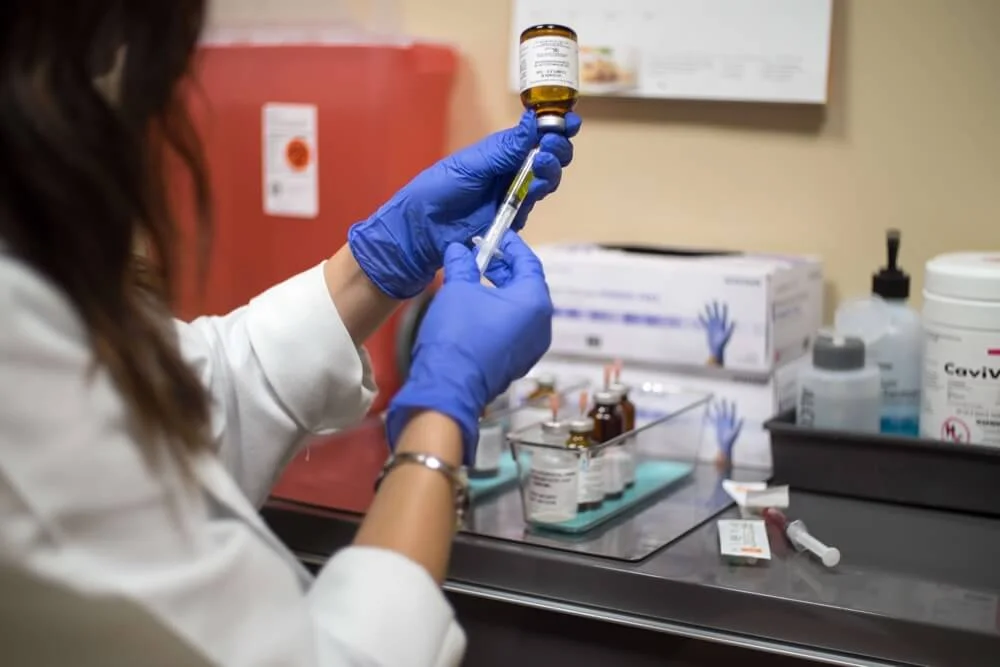
Administered frequently by medical professionals, nutritionists, and fitness and health trainers, lipotropic injections boost energy to support your exercise regimen, curb your appetite, and help you burn fat. The injections contain a solution of one or more of the following lipotropic nutrients:
Choline: exports fat and bile from the liver
Inositol: involved in the breakdown of fats
Methionine: an essential amino-acid that defends the body against toxic compounds
Amino Acids: enable other compounds to function correctly to stimulate weight loss
Vitamin B12: essential for fat metabolism
B Complex Vitamins: increase energy and promote the metabolism of fats
Lipotropic nutrients have a key role in the distribution and burning of fat—they encourage the removal of fat from the liver and ensure excess fat is burned off for fuel instead of stored. If fat and bile builds up in the liver, it can cause your metabolism to slow down—or in severe cases, block fat metabolism completely. And when these nutrients are injected rather than ingested, it allows them to get right to work without the risk of being inefficiently absorbed.
While lipotropic injections are not a “quick fix” cure for excess weight, when combined with a healthy diet and regular exercise, they can result in weight loss of between two and four pounds a week. Of course, results will vary based on many individual factors so it’s important to discuss your specific goals with a weight loss specialist.
In addition to giving your weight loss regimen a boost, lipotropic injections also:
Improve heart health
Improve concentration, mental clarity, and focus
Aid liver function
Restore hormonal balance
Encourage digestive efficiency
Strengthen hair and nails
Encourage cartilage growth, which can help prevent arthritis
At Medarts Weight Loss Specialists, we strive to stay at the cutting-edge of the medical weight loss industry. To learn more about the lipotropic injections we offer, or any of our other weight loss programs and services, give us a call and schedule a consultation. Let’s get you on your way to reaching your weight loss goals! Give us a call at (619) 866-3333.