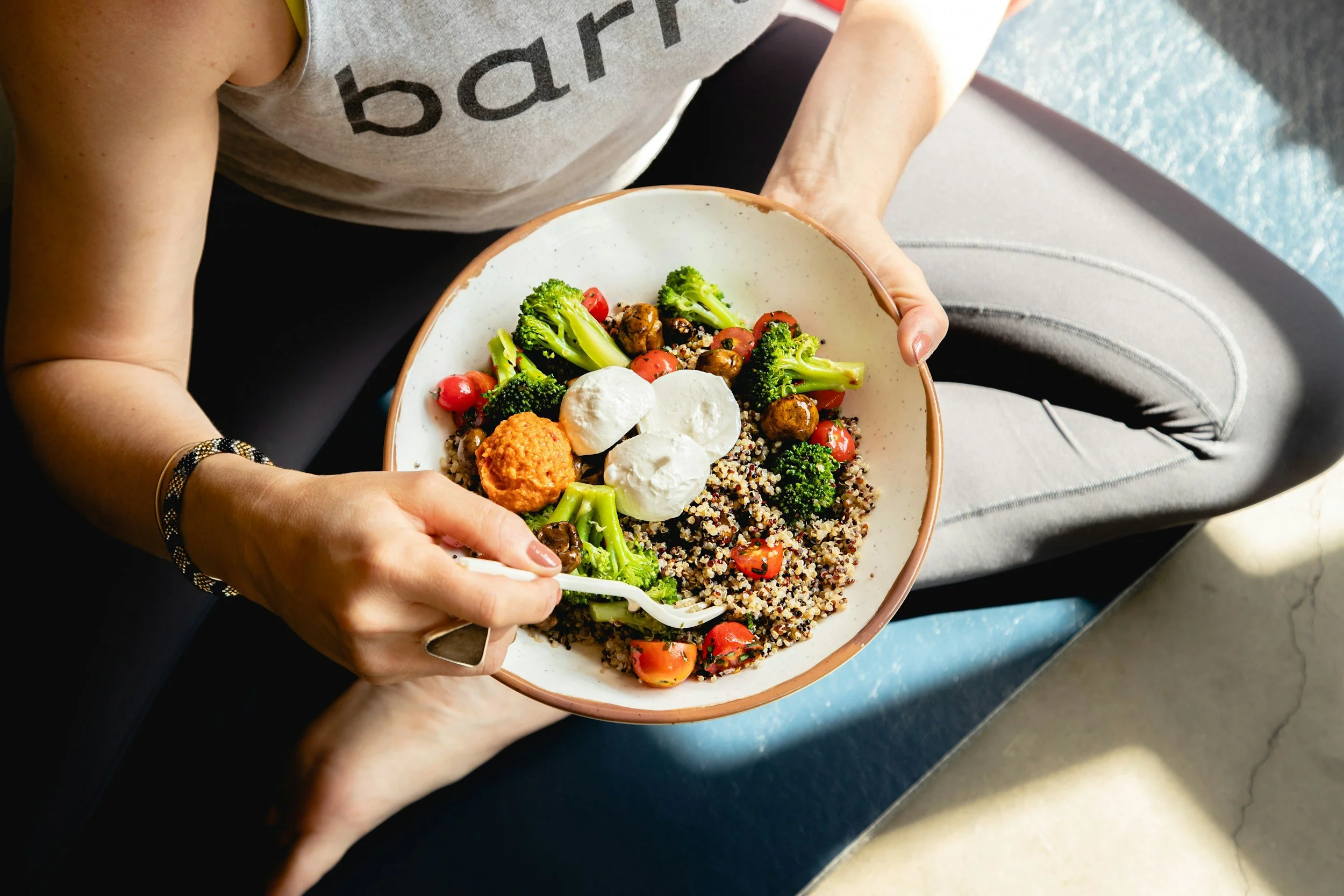
Many patients starting semaglutide or tirzepatide ask the same question:
“What should I actually eat while taking GLP-1 medications?”
At MedArts Weight Loss & Aesthetics, nutrition is one of the most important conversations we have with patients during medical weight loss treatment.
While semaglutide and tirzepatide can help reduce appetite and cravings, proper nutrition still plays a major role in:
energy
muscle retention
hydration
metabolism
digestion
long-term success
The goal is not extreme dieting.
The goal is creating realistic eating habits that support both weight loss and overall wellness.
Why Nutrition Matters on GLP-1 Medications
GLP-1 medications work by:
slowing digestion
reducing appetite
helping patients feel fuller longer
Because patients naturally eat less during treatment, nutrition quality becomes even more important.
Some patients unintentionally:
under-eat protein
become dehydrated
skip meals
lose muscle mass
experience fatigue
This is why balanced nutrition is essential during treatment.
Best Foods to Prioritize on Semaglutide
Protein-Rich Foods
Protein is one of the most important nutrients during weight loss.
Protein helps support:
muscle retention
metabolism
fullness
recovery
stable energy
Good protein options include:
chicken
turkey
eggs
Greek yogurt
cottage cheese
fish
lean beef
protein shakes
tofu
Many patients benefit from eating protein first during meals because appetite is reduced.
Hydrating Foods
Hydration is extremely important during GLP-1 treatment.
Foods with high water content may help support hydration, including:
cucumbers
watermelon
berries
lettuce
celery
soups
citrus fruits
Patients should also prioritize regular water intake throughout the day.
Fiber-Rich Foods
Fiber may help support:
digestion
fullness
bowel regularity
Good fiber sources include:
vegetables
berries
chia seeds
oats
beans
avocado
Fiber should usually be increased gradually to avoid worsening bloating.
Healthy Fats
Healthy fats may help support:
hormone health
fullness
energy
nutrient absorption
Examples include:
avocado
nuts
olive oil
salmon
seeds
Foods That May Worsen Side Effects
Some foods may increase nausea, bloating, or discomfort during treatment.
Patients often tolerate treatment better when limiting:
greasy foods
fried foods
heavy processed meals
excessive sugar
overeating
large portions
Eating slowly and stopping before feeling overly full may also help reduce discomfort.
Why Hydration Matters So Much
Many patients do not realize how easily dehydration can happen during semaglutide treatment.
Reduced appetite often means:
reduced thirst
lower fluid intake
electrolyte imbalance
Dehydration may contribute to:
fatigue
headaches
constipation
dizziness
nausea
Consistent hydration is one of the simplest ways to help support overall wellness during treatment.
Should You Skip Meals?
Some patients feel tempted to skip meals because appetite is reduced.
Unfortunately, under-eating may contribute to:
fatigue
muscle loss
weakness
poor recovery
slowed metabolism
Small balanced meals are often more beneficial than extreme restriction.
Why Muscle Preservation Matters
Rapid weight loss without adequate protein or resistance training may increase muscle loss.
Maintaining muscle helps support:
metabolism
body composition
energy
long-term maintenance
This is why strength training and protein intake are commonly encouraged during medical weight loss programs.
Healthy Eating Does Not Need to Be Perfect
Many patients believe they must eat “perfectly” to succeed.
In reality, consistency matters much more than perfection.
The goal is learning realistic habits patients can maintain long-term rather than following extreme or restrictive diets.
Final Thoughts
Semaglutide and tirzepatide can be powerful tools for weight loss, but nutrition still matters tremendously during treatment.
Prioritizing protein, hydration, fiber, and balanced meals may help patients feel stronger, healthier, and more successful throughout their journey.
At MedArts Weight Loss & Aesthetics, we help patients create sustainable wellness plans designed to support long-term success and confidence.
Frequently Asked Questions
What foods should I eat on semaglutide?
Patients are often encouraged to prioritize protein, hydration, fiber, and balanced nutrient-rich meals.
What foods should I avoid on semaglutide?
Greasy foods, large portions, fried foods, and excessive sugar may worsen nausea or digestive discomfort.
Why is protein important during GLP-1 treatment?
Protein supports muscle retention, metabolism, fullness, and recovery during weight loss.
Can semaglutide cause dehydration?
Yes. Reduced appetite and thirst may increase the risk of dehydration during treatment.
Should I skip meals while taking semaglutide?
Skipping meals may contribute to fatigue, muscle loss, and inadequate nutrition.
Ready for Personalized Weight Loss Support?
MedArts Weight Loss & Aesthetics provides individualized wellness and nutrition support designed to help patients feel successful throughout their medical weight loss journey.
📞 Call or text today to schedule your consultation or follow-up appointment.