
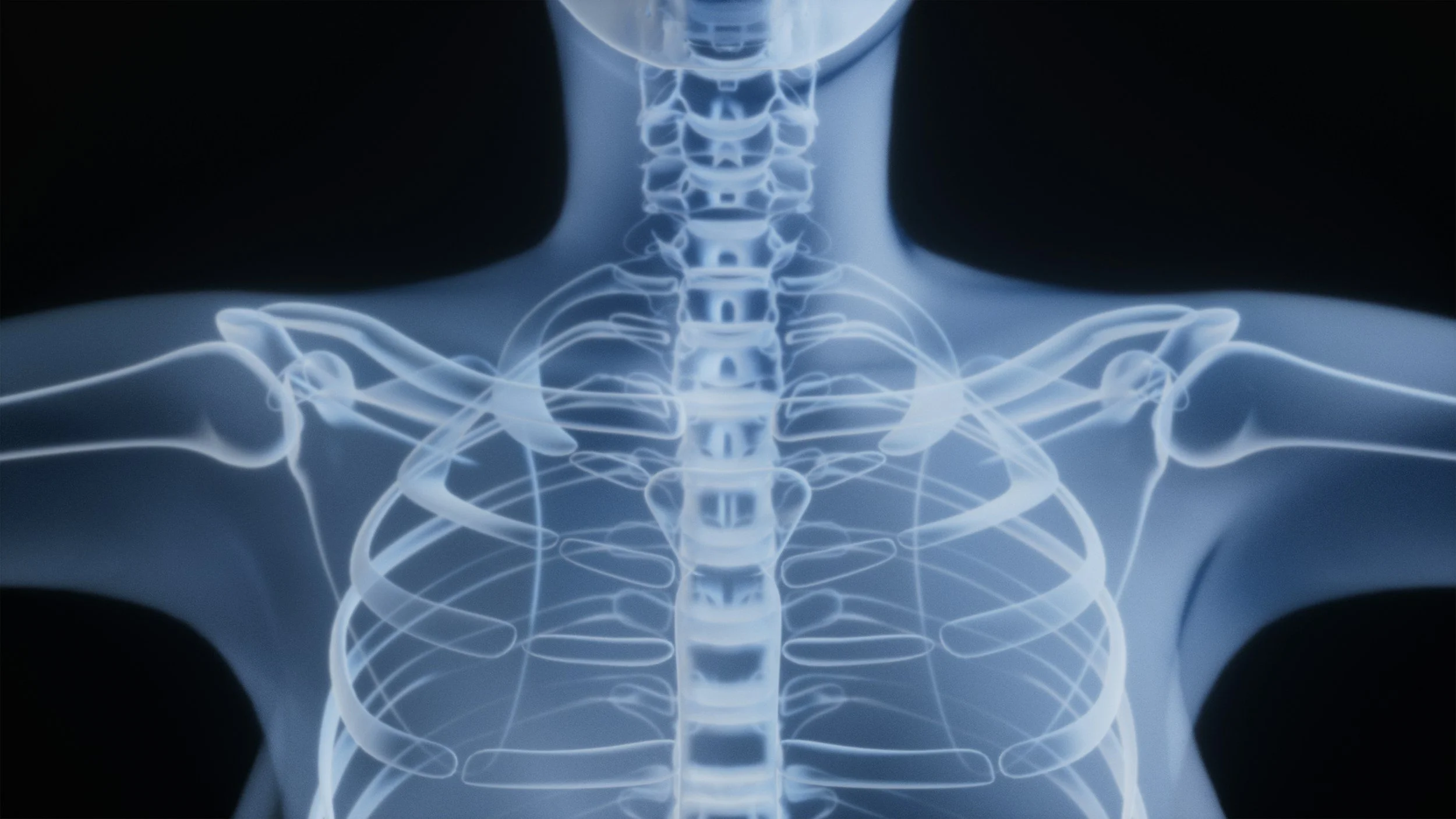
Many patients become discouraged when the scale slows down. Learn why body composition and fat loss matter more than weight alone during your transformation journey.
Learn weight loss tips & tricks with blog posts from Medarts Weight Loss Specialists. Located in downtown San Diego, we offer custom weight loss plans.
Many people approach weight loss with an “all or nothing” mindset.
They try to be perfect – and when they can’t maintain it, they start over.
This cycle is one of the biggest barriers to long-term success.
Extreme approaches ofter lead to :
burnout
inconsistency
frustration
And ultimately, starting over again.
Sustainable weight loss comes from:
repeatable habits
manageable structure
long-term adherence
Even small, consistent actions lead to significant results over time.
avoid extreme restriction
build realistic routines
focus on progress, not perfection
Consistency is what creates lasting change.
Many people start their weight loss journey with dieting.
Cutting calories increasing cardio, and trying to stay consistent.
For some, it works temporarily. For most, it becomes difficult to maintain.
Traditional dieting relies heavily on willpower.
But weight loss is influenced by more than just discipline. It’s affected by:
Hunger hormones
Blood sugar levels
Metabolism
Cravings
This is why many people regain weight after dieting.
GLP-based weight loss focuses on regulating appetite and improving consistency.
Instead of constantly fighting hunger, many patients experience:
Reduced cravings
Better portion control
Improved adherence to their plan
This allows for more sustainable fat loss over time.
Dieting can work, but it’s often difficult to maintain long-term.
GLP-based programs provide structure and support, making it easier to stay consistent.
The most effective weight loss plans focus on sustainability – not just sort-term results.
Metabolism is often misunderstood.
It’s not just about how fast your body burns calories – it’s how your body uses energy to function.
Your metabolism is influenced by:
Muscle mass
Hormonal balance
Nutrition
Activity levels
Consistency
When you metabolism is functioning will, your body can burn fat more efficiently and maintain energy levels.
Certain habits can make fat loss more difficult:
Extreme calorie restriction
Losing muscle mass
Inconsistent eating patterns
Chronic stress
When metabolism slows, weight loss becomes harder – even if you’re trying to do everything right.
Maintain Muscle Mass
Muscle helps your body burn more calories at rest.
Eat Enough Protein
Protein supports muscle and metabolic function.
Avoid Extreme Dieting
Severely restricting calories can backfire over time.
Stay Consistent
Consistency is one of the most important factors in long-term fat loss.
Fat loss isn’t just about eating less – it’s about supporting how your body works.
When your metabolism is supported, results become more sustainable and less frustrating.
GLP-based weight loss has become one of the most talked-about approaches to fat loss, but with that attention comes a lot of misinformation.
Many people start these programs with unrealistic expectations – either expecting rapid results with no effort or fearing they won’t work long-term.
The truth sits in the middle.
Understanding how GLP-based weight loss actually works is what determines whether someone sees temporary results or long-term success.
In reality, these treatments support appetite regulation and consistency – they don’t replace structure.
Patients who see the best results still":
prioritize protein
Stay consistent
follow a structured plan
GLP makes those behaviors easier to maintain.
While appetite is reduced, habits still matter.
Without structure, it’s still possible to:
under-eat protein
lose muscle
stall progress
The most successful patients combine GLP support with intentional nutrition and consistency.
Weight regain is not caused by stopping GLP – it’s caused by lack of maintenance strategy.
Long-term success depends on:
maintaining habits
transitioning appropriately
support metabolism
The most important factors are:
Consistency
GLP reduces resistance to staying consistent – but consistency still matters.
Muscle Preservation
Protein intake and activity help maintain metabolism during weight loss.
Structured Support
Adjustments throughout the process prevent plateaus and setbacks.
GLP-based wight loss is not about shortcut – it’s a tool.
When used correctly, it helps create sustainable long-term results by making consistency easier to maintain.
If your weight loss has slowed down or completely stopped, you’re not alone.
Weight loss plateaus are extremely common – and they don’t mean your body isn’t capable of continuing.
They mean your body has adapted.
As you lose weight, your body becomes more efficient. it requires fewer calories to function, which means the same habits that worked at the beginning may no longer produce the same results.
Other common causes include:
Decreased metabolism
Loss of muscle mass
Inconsistent protein intake
Hormonal changes
Increased stress levels
When progress slows, most people assume they need to:
Eat less
Do more cardio
Or start over completely
This often backfires.
Cutting calories too low can further slow metabolism and make fat loss more difficult.
Instead of starting over, your strategy needs to adjust.
Here’s what actually works:
Prioritize protein
Protein helps preserve muscle, which is essential for maintaining metabolism.
Support Appetite Control
If hunger increases, consistency becomes harder. Structured appetite support can help maintain progress.
Maintain Muscle
Incorporating resistance or strength-based movement helps your body burn more efficiently.
Stay Consistent
Plateaus are temporary – consistency is what moves you through them.
A Plateau isn’t failure – it’s feedback.
With the right adjustments, your body will continue to respond.


