
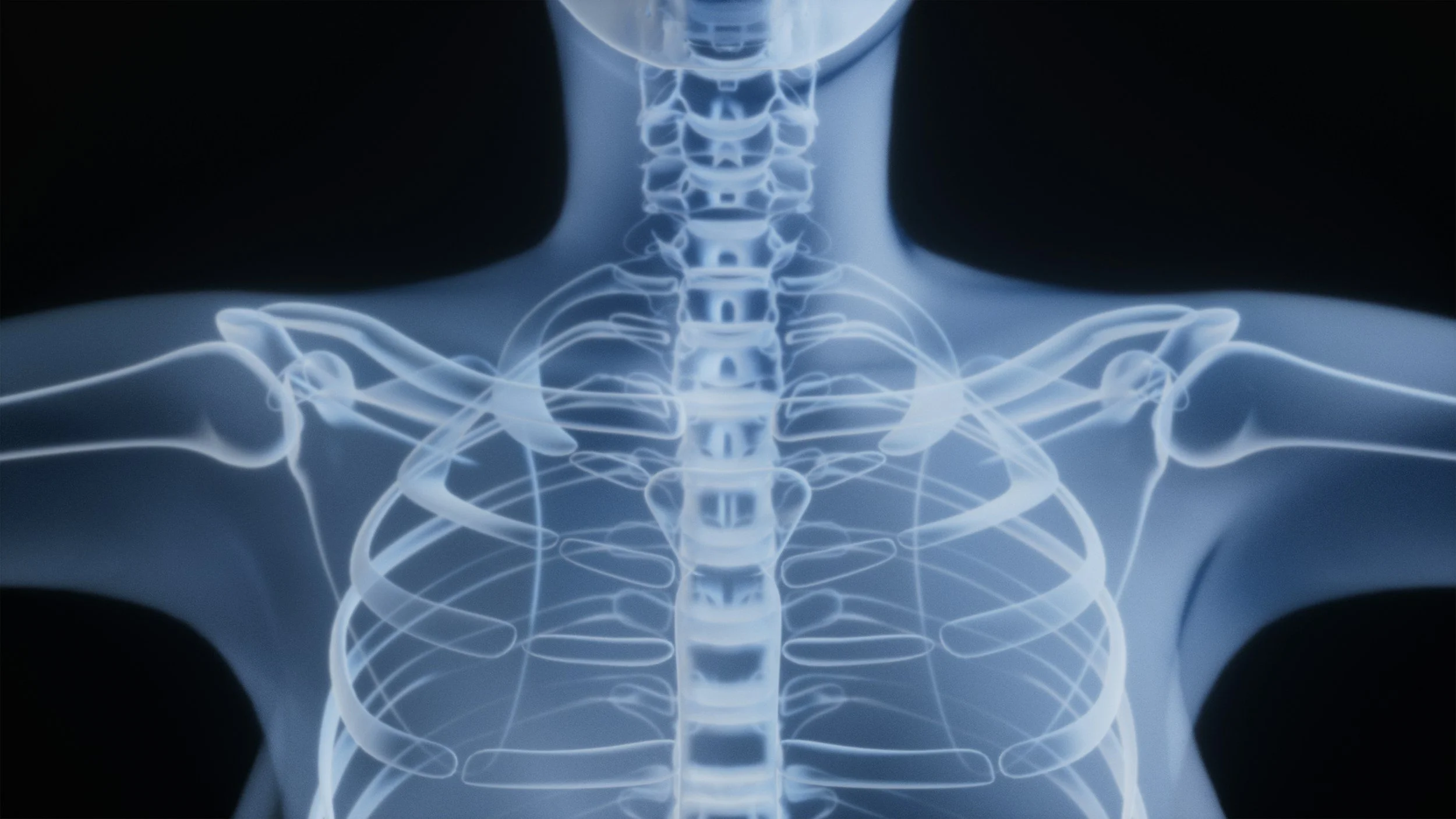
Many patients become discouraged when the scale slows down. Learn why body composition and fat loss matter more than weight alone during your transformation journey.
Learn weight loss tips & tricks with blog posts from Medarts Weight Loss Specialists. Located in downtown San Diego, we offer custom weight loss plans.
As GLP-1 medications continue growing in popularity, many patients ask:
“What’s the difference between semaglutide and tirzepatide?”
At MedArts Weight Loss & Aesthetics, this is one of the most common questions we hear during weight loss consultations.
Both medications are used to support medical weight loss and appetite regulation, but they work slightly differently within the body.
Understanding the differences between semaglutide and tirzepatide may help patients feel more informed when discussing personalized treatment options with their provider.
Semaglutide is a GLP-1 medication designed to help regulate:
appetite
blood sugar
digestion
fullness signals
It works by slowing stomach emptying and helping patients feel fuller longer after meals.
Many patients notice:
reduced cravings
decreased food noise
improved portion control
gradual weight loss
Semaglutide has become one of the most widely recognized medications used in medical weight loss programs.
Tirzepatide works similarly to semaglutide but targets two hormone pathways instead of one.
Because of this, some patients experience:
stronger appetite suppression
increased fullness
additional metabolic support
Like semaglutide, tirzepatide is designed to support long-term weight management alongside healthy lifestyle habits.
Both medications:
are weekly injections
help reduce appetite
slow digestion
support weight loss
may improve portion control
work best alongside healthy habits
Patients taking either medication are typically encouraged to focus on:
hydration
protein intake
movement
sleep
consistency
Both semaglutide and tirzepatide may cause temporary side effects, especially during dosage increases.
Common symptoms may include:
nausea
constipation
bloating
fatigue
dehydration
headaches
Many side effects improve with:
hydration
smaller meals
proper nutrition
gradual dose adjustments
ongoing medical supervision
There is no single “best” medication for every patient.
Results vary depending on:
medical history
lifestyle
metabolism
appetite patterns
treatment goals
side effect tolerance
Some patients respond better to semaglutide, while others may prefer tirzepatide.
This is why individualized medical supervision is important.
Neither medication replaces healthy habits.
Long-term success still depends on:
nutrition
hydration
movement
sleep
muscle preservation
consistency
GLP-1 medications are tools designed to support healthier routines — not shortcuts that eliminate the need for lifestyle changes.
Rapid weight loss without proper nutrition may increase the risk of muscle loss.
Protein and resistance training help support:
metabolism
strength
body composition
long-term maintenance
Patients focused only on losing weight quickly may struggle more with long-term maintenance later.
Medical weight loss should always be personalized.
At MedArts Weight Loss & Aesthetics, treatment plans are adjusted based on:
progress
symptoms
goals
side effects
patient feedback
Ongoing support helps patients feel more successful and confident throughout their journey.
Semaglutide and tirzepatide are both effective tools that may help patients achieve significant weight loss and improved wellness.
The best treatment plan depends on the individual patient, their goals, and how their body responds during treatment.
At MedArts Weight Loss & Aesthetics, we help patients create personalized programs focused on safe, sustainable long-term success.
As GLP-1 medications continue growing in popularity, many patients ask:
“What’s the difference between semaglutide and tirzepatide?”
At MedArts Weight Loss & Aesthetics, this is one of the most common questions we hear during weight loss consultations.
Both medications are used to support medical weight loss and appetite regulation, but they work slightly differently within the body.
Understanding the differences between semaglutide and tirzepatide may help patients feel more informed when discussing personalized treatment options with their provider.
Semaglutide is a GLP-1 medication designed to help regulate:
appetite
blood sugar
digestion
fullness signals
It works by slowing stomach emptying and helping patients feel fuller longer after meals.
Many patients notice:
reduced cravings
decreased food noise
improved portion control
gradual weight loss
Semaglutide has become one of the most widely recognized medications used in medical weight loss programs.
Tirzepatide works similarly to semaglutide but targets two hormone pathways instead of one.
Because of this, some patients experience:
stronger appetite suppression
increased fullness
additional metabolic support
Like semaglutide, tirzepatide is designed to support long-term weight management alongside healthy lifestyle habits.
Both medications:
are weekly injections
help reduce appetite
slow digestion
support weight loss
may improve portion control
work best alongside healthy habits
Patients taking either medication are typically encouraged to focus on:
hydration
protein intake
movement
sleep
consistency
Both semaglutide and tirzepatide may cause temporary side effects, especially during dosage increases.
Common symptoms may include:
nausea
constipation
bloating
fatigue
dehydration
headaches
Many side effects improve with:
hydration
smaller meals
proper nutrition
gradual dose adjustments
ongoing medical supervision
There is no single “best” medication for every patient.
Results vary depending on:
medical history
lifestyle
metabolism
appetite patterns
treatment goals
side effect tolerance
Some patients respond better to semaglutide, while others may prefer tirzepatide.
This is why individualized medical supervision is important.
Neither medication replaces healthy habits.
Long-term success still depends on:
nutrition
hydration
movement
sleep
muscle preservation
consistency
GLP-1 medications are tools designed to support healthier routines — not shortcuts that eliminate the need for lifestyle changes.
Rapid weight loss without proper nutrition may increase the risk of muscle loss.
Protein and resistance training help support:
metabolism
strength
body composition
long-term maintenance
Patients focused only on losing weight quickly may struggle more with long-term maintenance later.
Medical weight loss should always be personalized.
At MedArts Weight Loss & Aesthetics, treatment plans are adjusted based on:
progress
symptoms
goals
side effects
patient feedback
Ongoing support helps patients feel more successful and confident throughout their journey.
Semaglutide and tirzepatide are both effective tools that may help patients achieve significant weight loss and improved wellness.
The best treatment plan depends on the individual patient, their goals, and how their body responds during treatment.
At MedArts Weight Loss & Aesthetics, we help patients create personalized programs focused on safe, sustainable long-term success.
Semaglutide targets GLP-1 receptors, while tirzepatide works on two hormone pathways related to appetite and metabolism.
Results vary depending on the patient, treatment plan, lifestyle habits, and consistency.
Yes. Both medications are typically administered weekly.
Common side effects may include nausea, constipation, bloating, fatigue, and dehydration.
Patients should discuss individualized treatment options with a qualified medical provider.
MedArts Weight Loss & Aesthetics offers customized weight loss programs designed to support long-term wellness and confidence.